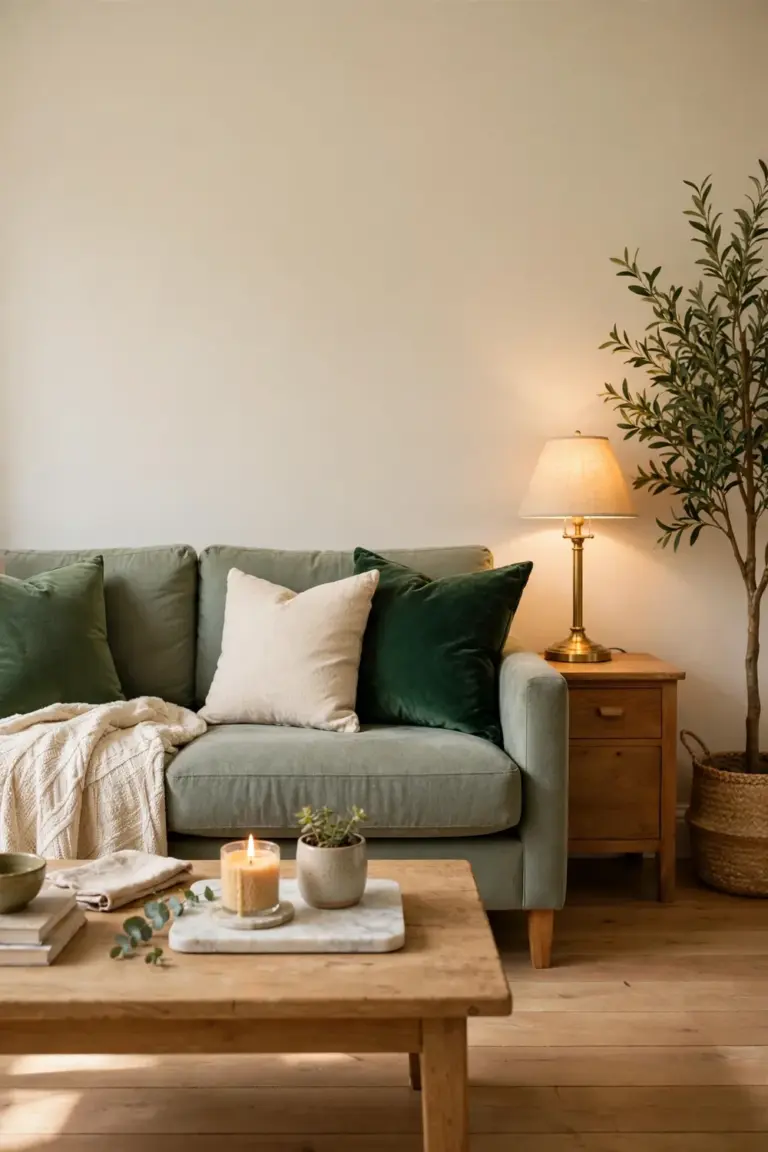
One Can of Paint: 7 Weekend Room Refreshes Under $50
Short answer: One leftover gallon of paint, seven refreshes, and under $50 in new supplies. The can covers about 350 square feet, which is enough for three walls and four small pieces, done in one weekend. Nothing new to buy except tape, a stencil, and a topcoat. Every room gets touched, and no furniture gets replaced.
| Paint | One leftover gallon, about 350 sq ft of coverage |
| New spending | Under $50: tape, one stencil, one topcoat, one brush |
| Time | One weekend, about 13 hours hands-on plus drying |
| Refreshes | 7: three walls, four small pieces |
| Tools | Roller, brush, tape, stencil, no power tools |
| Landlord | Ask first for walls and the door; furniture pieces need no permission |
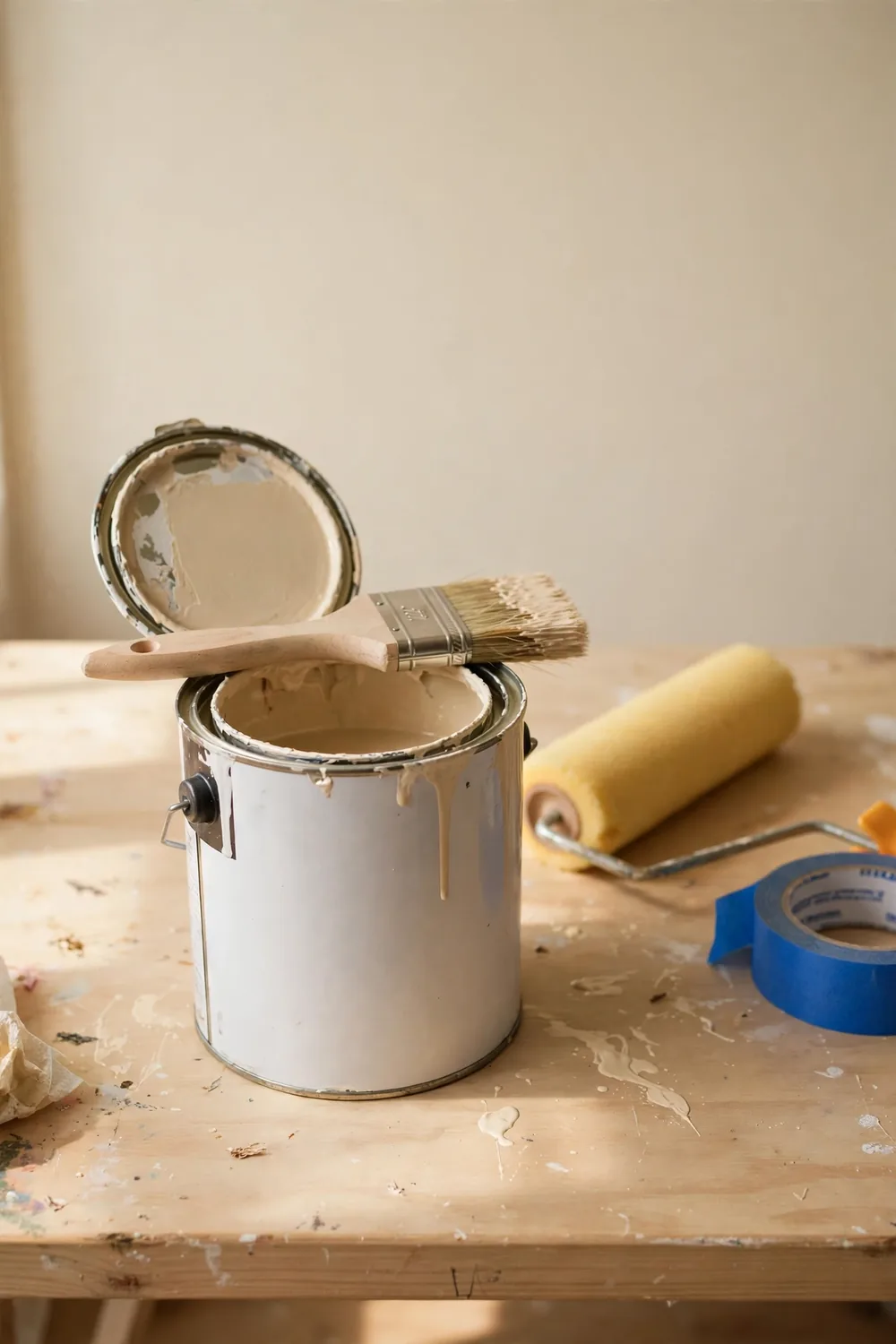
The most useful gallon of paint in the house is the one that is already open. It sits in the closet or the garage, left over from the last project, and it holds more than one room inside it. My rule is simple: before I buy anything new, I check what one can can already do.
How far does one gallon actually go?
One gallon of paint covers about 350 square feet in one coat, roughly one standard bedroom. That sounds small until you split it. Three walls take about a quart each: the entryway stripe, the bedroom wall, and the stencilled wall. Four small pieces take about half a pint each: the closet, the bookshelf back, the nightstand, and the front door. Add it up and it is roughly one gallon, with a little left for touch-ups.
Two things change the math. Deep colours over white usually need two coats, so a dark wall eats twice the paint of a light one. A stencil eats less than a full wall, because most of the wall stays bare. Measure first: a 10 by 8 foot wall is 80 square feet, and one quart covers about 87.
The cheapest proof is Anika’s DIY Life entryway closet: about $30 out of pocket with leftover paint, a sample pot for the stencilled wall, floor tiles under $6, and 7 feet of baseboards for about $10. The paint was already paid for. That is the whole trick here: the can is the budget, and the $50 is only for the extras.
The four walls that do the most work
1. The entryway stripe
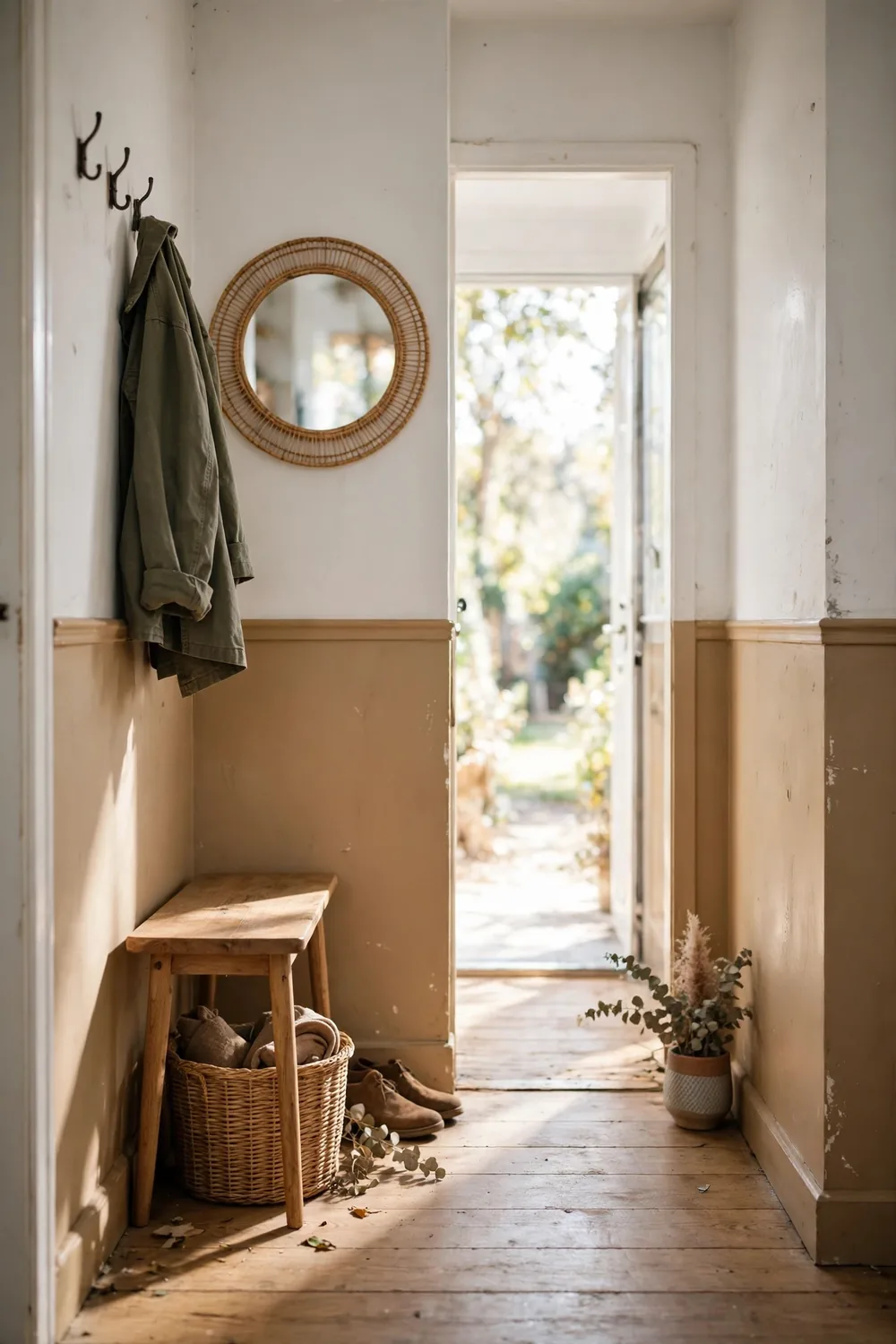
Paint a half-height stripe on the wall you see first when you walk in. Apartment Therapy proved the move in January 2026, when a guest bedroom got a retro 1970s look for about $100 with a half-height stripe in leftover Benjamin Moore Gladstone Tan. The same stripe works in an entryway, where the wall is small and the effect is instant.
Cost: paint from the can, plus tape for about $5. Time: about 2 hours, including taping. Result: the wall behind the door becomes the greeting, and the stripe reads as a design choice, not a shortcut. Keep the stripe at about half the wall height, and paint the small bench the same colour, so it looks built in rather than taped on.
2. The bedroom wall behind the bed
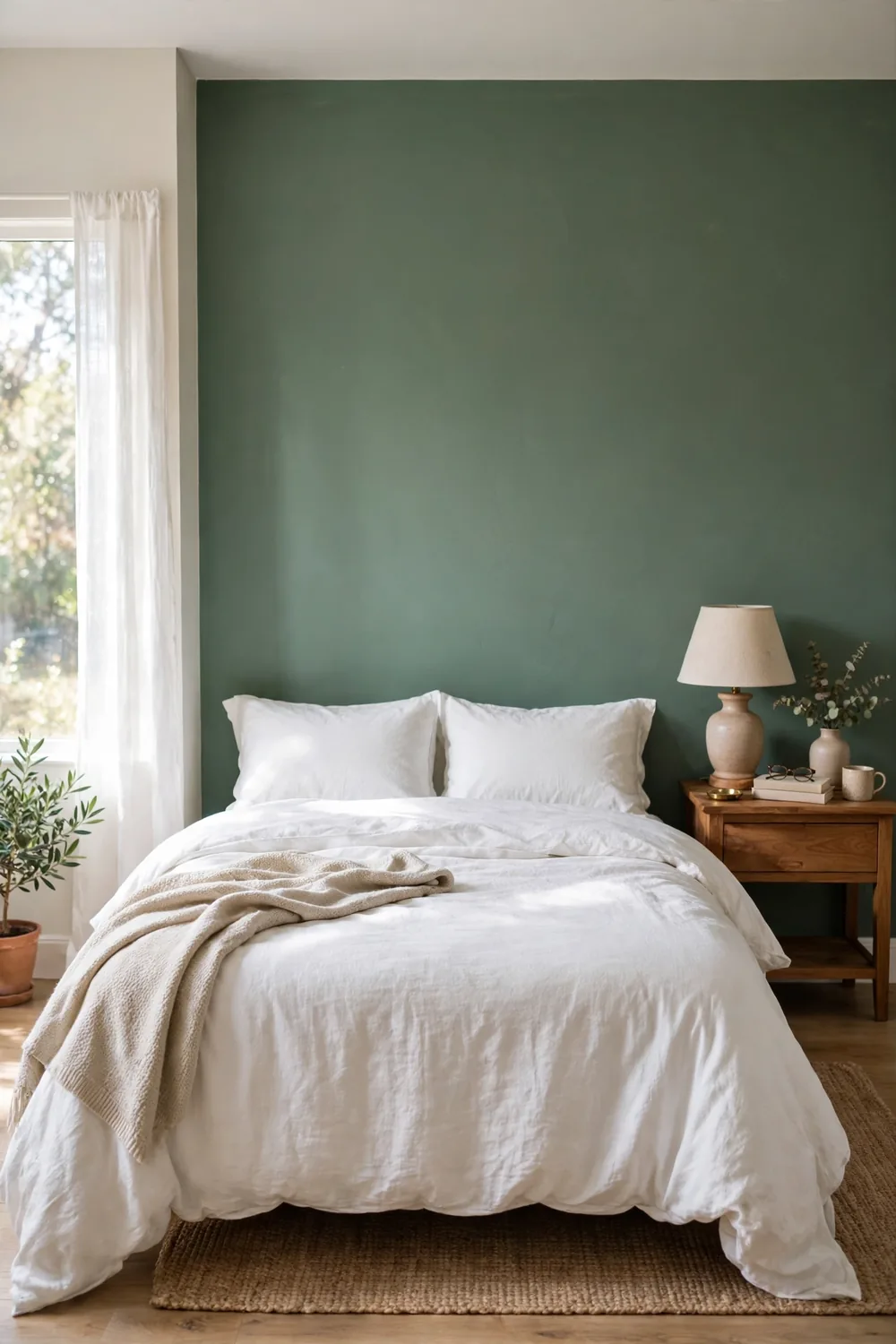
One wall, one colour, behind the bed. A quart of paint, one coat if the colour is light, two if it is deep.
Cost: about a quart from the can, no extras. Time: about 2 hours. Result: the bedroom gets its anchor, and the white bedding does the rest. Sage green is the safe luxe choice in our research: a sideboard flipped in Fusion Mineral Paint Bellwood passed 708 saves in a 13 second video, and the colour carried the whole piece. A deep blue works the same way: a dresser in Shackteau Deep Sea Blue milk paint passed 2.9k saves with one straight-on shot, because the colour was the whole story.
3. The stencilled wall
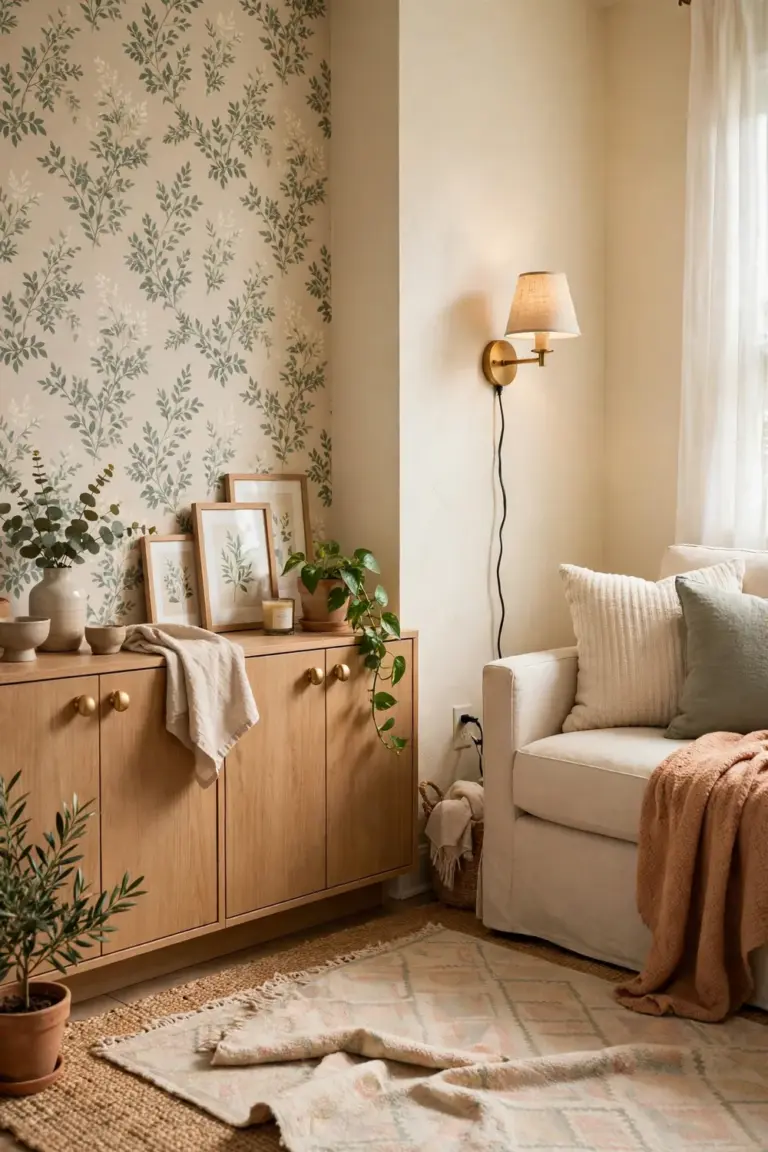
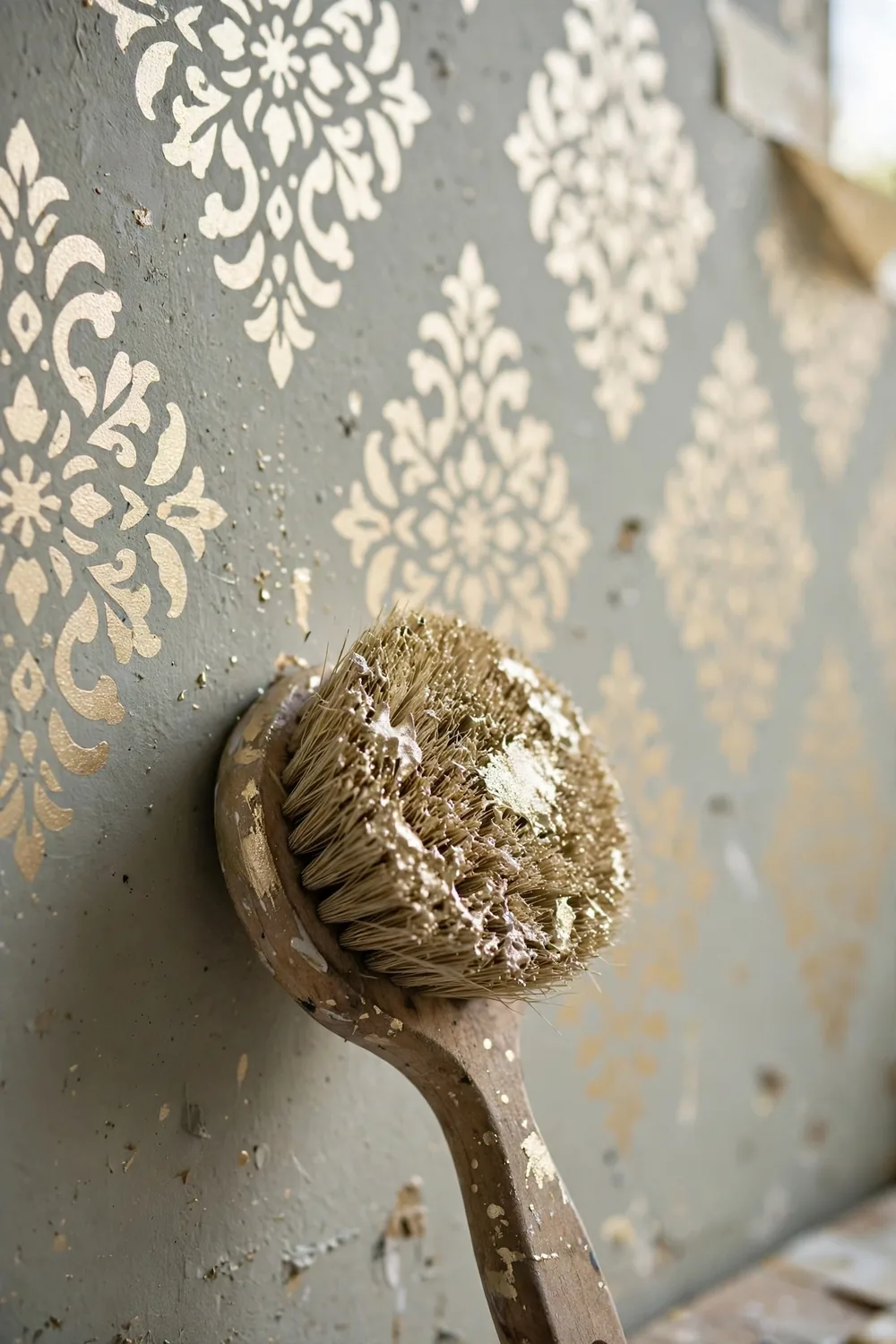
A stencil turns one wall into a pattern that reads as wallpaper, for the price of paint. The highest-save pin in our whole budget cluster is a Royal Design Studio stencil wall: 44.4k saves for a 9 second video. A furniture stencil from Cutting Edge Stencils passed 4.5k saves the same way, in 28 seconds.
Cost: about a quart from the can, plus a stencil for about $10 to $15, reusable. Time: about 3 hours, because a stencil is slow and patient work. Result: a wall that looks like it cost ten times the paint. Practice once on cardboard first. One crooked repeat ruins the wall, and a stencil does not forgive a shaky hand.
4. The closet that becomes a nook
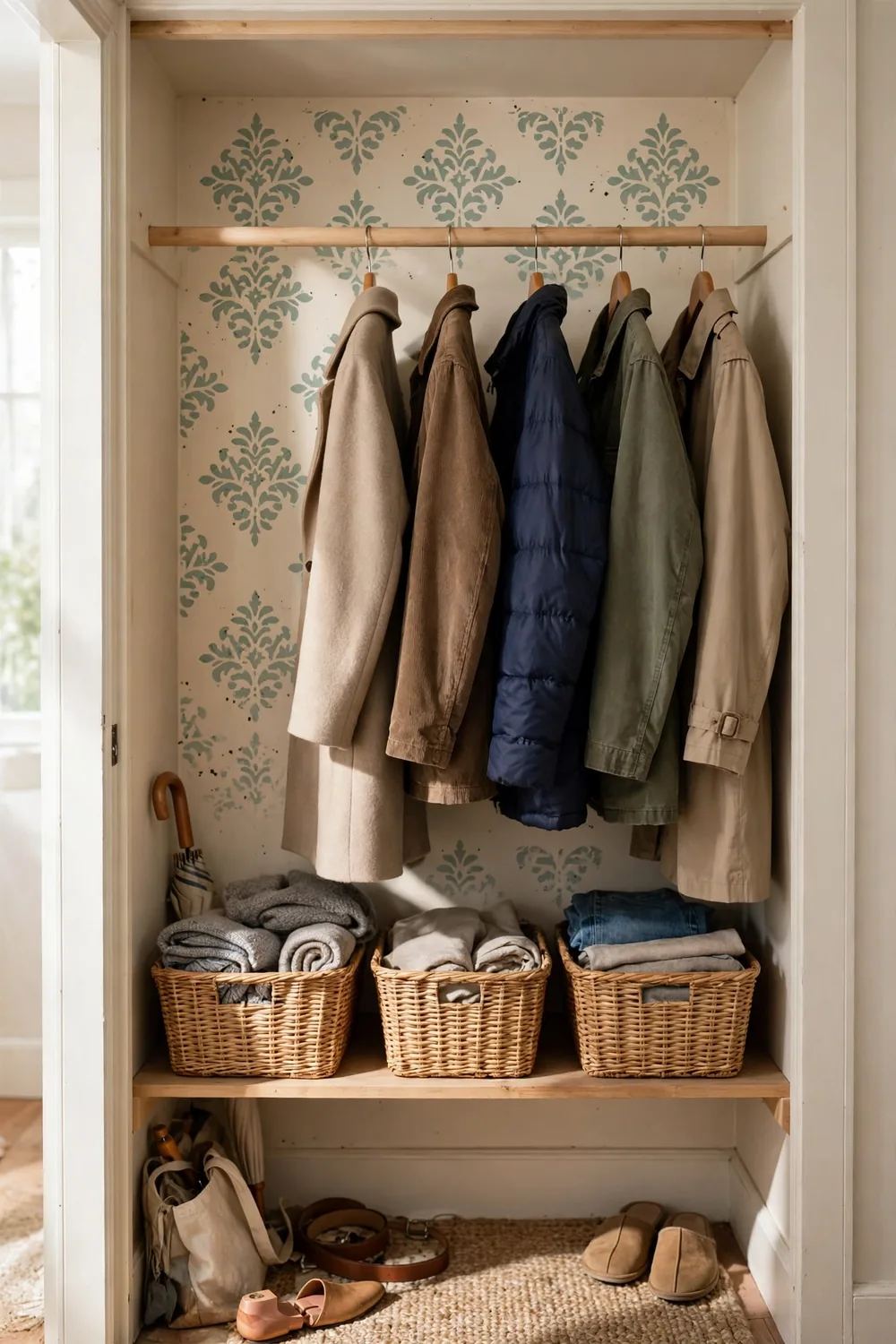
Paint the inside of a closet and it stops being storage. The Anika’s DIY Life closet above is the model: leftover paint, a stencilled accent wall inside, and the closet reads as a small room of its own.
Cost: about half a pint from the can, plus floor tiles under $6 if the floor needs them. Time: about 1.5 to 2 hours. Result: the smallest room in the house gets a job, and the paint is what gives it permission to be a room. Ask the landlord first if you rent, because the closet walls are still theirs.
The three small pieces that look brand new
5. The bookshelf back
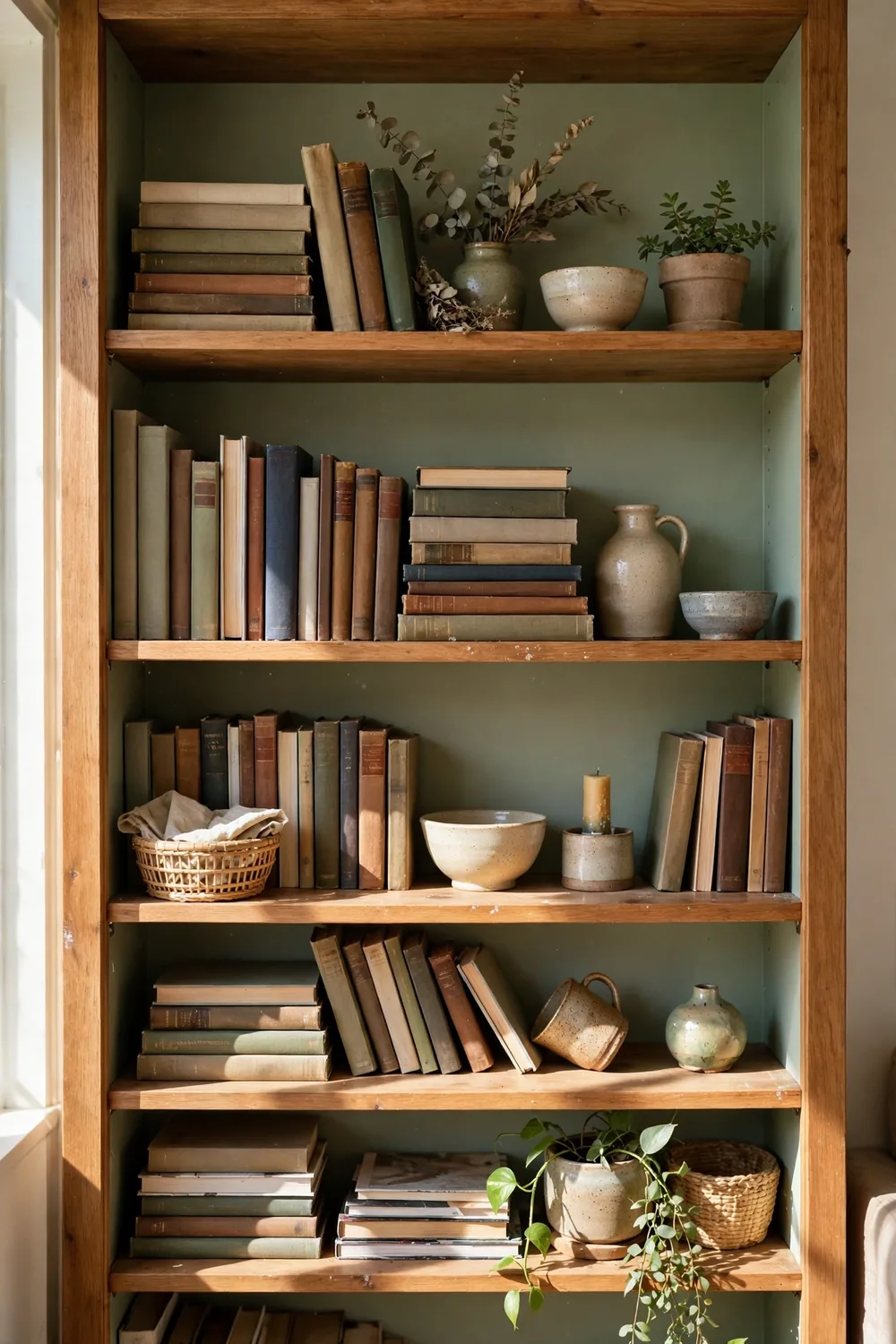
Paint the back panel of an open bookshelf, and the whole shelf looks custom. One colour, sage or deep green, half a pint of paint, and the books pop against it. The shelf itself does not change. The background does.
Cost: about half a pint from the can, no extras. Time: about 1 hour. Result: a flat-pack shelf reads as fitted furniture. It needs no landlord permission at all, because the shelf is yours. The safest refresh in this article, and the fastest.
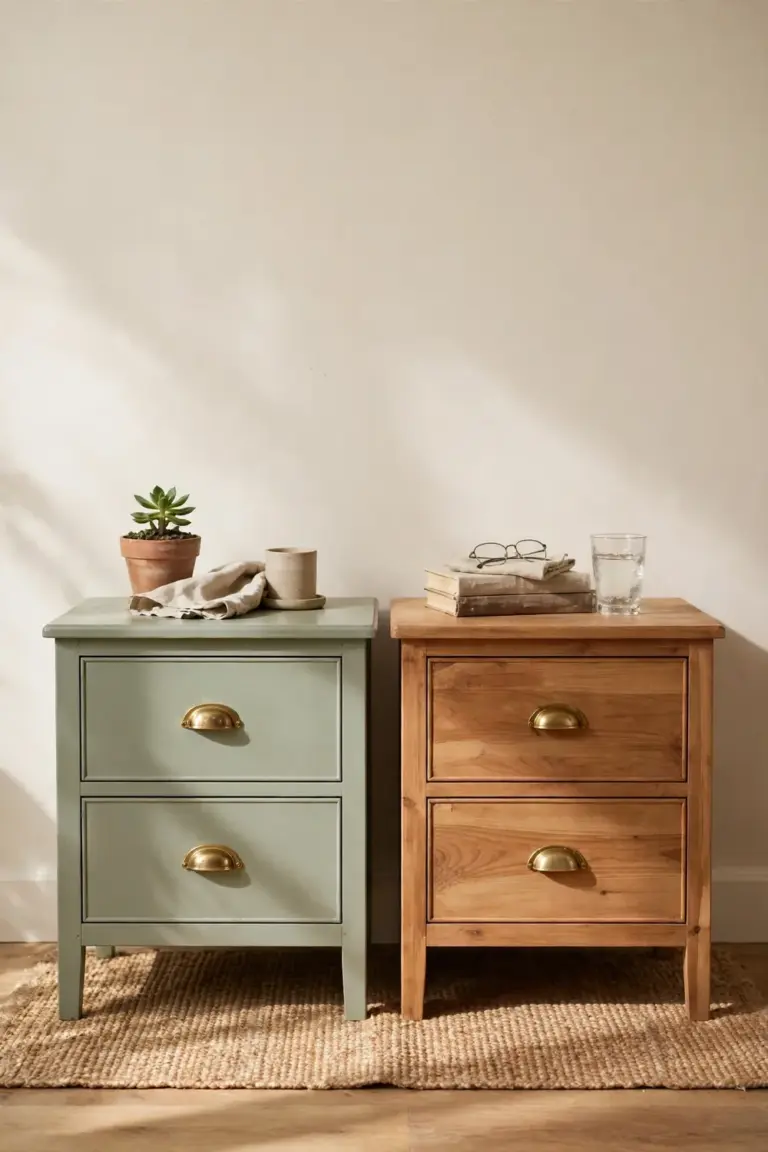
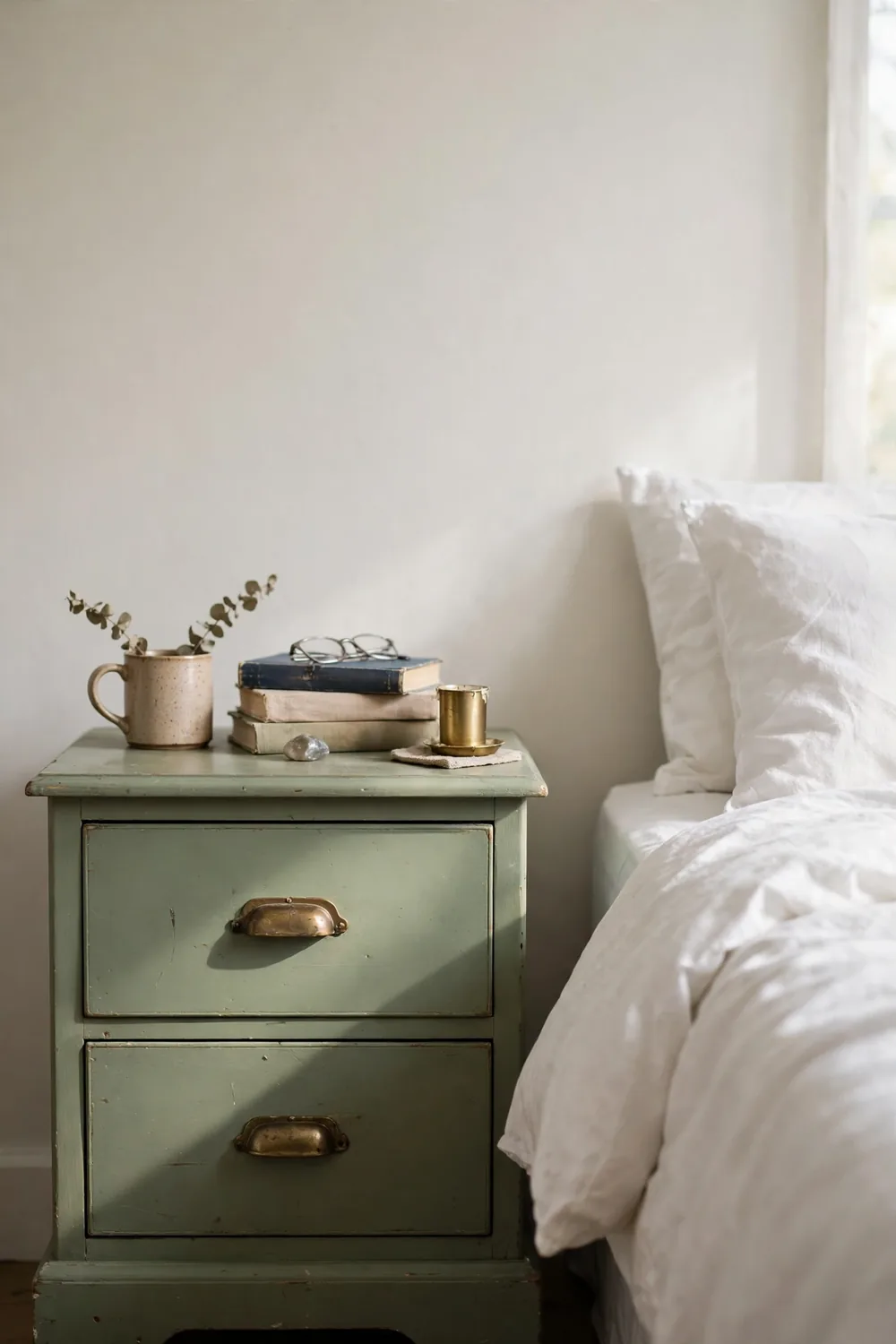
6. The thrift nightstand
One small piece of secondhand furniture, painted with the same can. The money math is the proof: nightstands bought for $15 and flipped for $300, and a $100 furniture set flipped for $800 with just paint. The nightstand is the cheapest version of that flip, because it takes half a pint and one afternoon.
Cost: about half a pint from the can, plus a clear topcoat for about $8. Time: about 2 hours. Result: a $15 piece that reads as a $300 piece, especially with brass pulls if the budget allows. The honest part: wall paint on furniture chips faster than furniture paint, so the topcoat is not optional. Without it, the edges wear within months.
7. The front door, inside face
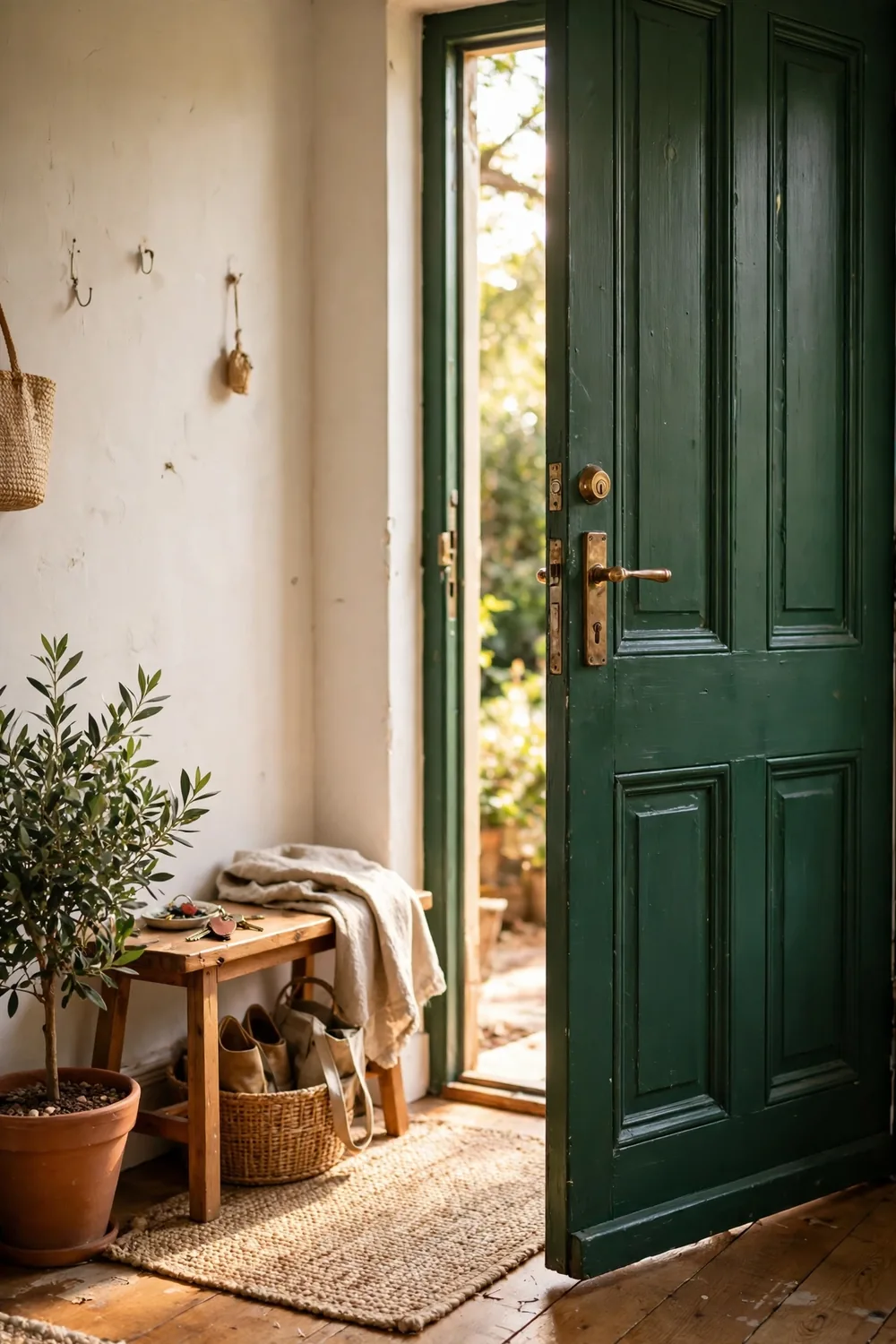
Paint the inside face of the front door. Half a pint, one afternoon, and it is the first and last thing you see every day.
Cost: about half a pint from the can, no extras. Time: about 1.5 hours. Result: the whole entry changes for the price of half a pint of paint. Ask the landlord first if you rent, because the door is theirs even if the paint is yours. Use satin, not matte: a door gets touched every day, and satin wipes clean.
What lasts, and what is only a trick?
Paint on a wall lasts for years. A stripe, an accent wall, and a stencilled wall are durable refreshes, and two coats of a deep colour outlast one coat of a light colour. That is the durable half of this article.
The trick half is smaller. A stencil reads as wallpaper, but it is still paint, and it will not hide a bad wall. It shows every bump and crack the plain wall used to hide. A nightstand painted in wall paint looks new for a month, then the edges tell the truth, unless the topcoat goes on. Wall paint is not furniture paint. Furniture paint is built for touch: Fusion Mineral Paint for a sage piece, Heirloom Traditions ALL-IN-ONE Paint for cabinets, which needs no sanding, no sealing, and the doors stay on, a method that passed 19.6k saves.
The landlord line is simple. Walls, the closet, and the door need permission in most leases. The bookshelf back and the nightstand need none. If you rent and the answer is no, the can still works on your own furniture, and the walls wait for a home you own.
One more honest note. One colour used seven times can turn monotonous, and a house that is all one shade reads as a mistake, not a scheme. The fix is variation in the application: a stripe here, a full wall there, a stencil on one wall, a small piece in satin. If the can is a strong colour, use it on fewer walls and more small pieces.
One can of paint is not seven projects. It is one colour, used seven ways, and the variety is in the application, not the shopping list.
FAQ
Does the $50 include the paint? No. The can is the leftover gallon from your last project, already paid for. A fresh gallon adds about $35 to $50, and the $50 covers tape, one stencil, one topcoat, and one brush.
Can I really finish all seven in one weekend? Yes, if you split it: three walls on Saturday, four small pieces on Sunday, about 13 hours of hands-on work plus drying time. Do the walls first, they need the longest dry time.
I rent. Can I do any of these? The bookshelf back and the nightstand, yes, because they are your furniture. Walls, the closet, and the door need the landlord’s permission in most leases. Ask first: a yes is common when you offer to repaint it back.
Which paint should I buy if I do not have a leftover can? One gallon of good wall paint for the walls, plus a small can of furniture paint for the nightstand if you want it to last. Fusion Mineral Paint in Bellwood is the safe sage green in our research, and Heirloom Traditions ALL-IN-ONE Paint in Iron Gate is the truest black and needs no sanding on cabinets.
What if the colour does not cover in one coat? Deep colours over white usually need two coats. Light colours over dark walls need a primer first. A sample pot for $5 to $8 tests coverage on a small patch before you commit the gallon.
Do I need a stencil, or can I freehand the pattern? A stencil costs about $10 to $15 and is reusable, and it is the reason the Royal Design Studio wall passed 44.4k saves. Freehand works for a stripe with tape, but not for a repeating pattern. Practice the stencil once on cardboard.