How to Get a Luxe Look for Less: 10 High-Look Decor Swaps
Short answer: Luxe is not a price, it is a set of cues: brass, one saturated colour, symmetry, warm light, and layers. These 10 swaps copy those cues for about $230 all together, or under $60 for any three. The work takes one weekend, about 6 hours hands-on, needs no power tools, and the room reads as a designer room, not a budget room.
| Total cost | About $230 for all 10 swaps |
| Time | One weekend, about 6 hours hands-on |
| Difficulty | Beginner, no power tools |
| Tools | Screwdriver, scissors, brush, tape measure |
| Best room | Living room first, then bedroom |
Luxe is not a price tag. Walk into a room that reads as expensive and you will find the same five cues every time: warm metal, one deep colour, things in pairs, warm light, and layers you can count. None of those cues costs much. A $4 brass pull does the same work as a $25 designer pull, because your eye reads the finish. The swaps below copy the cues one at a time, cheapest first.
What actually makes a room look expensive?
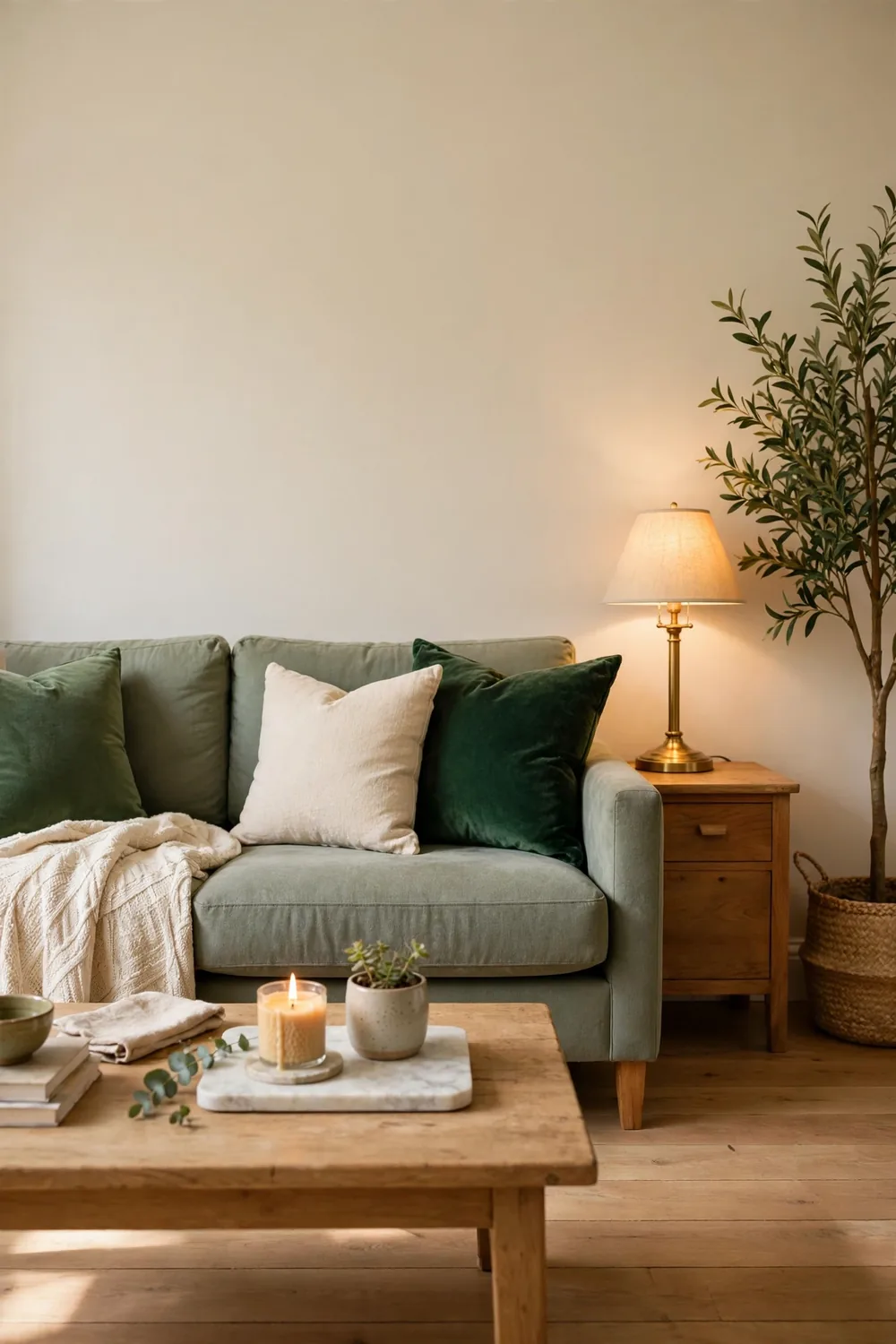
Five cues do the work, and every swap in this list copies one of them.
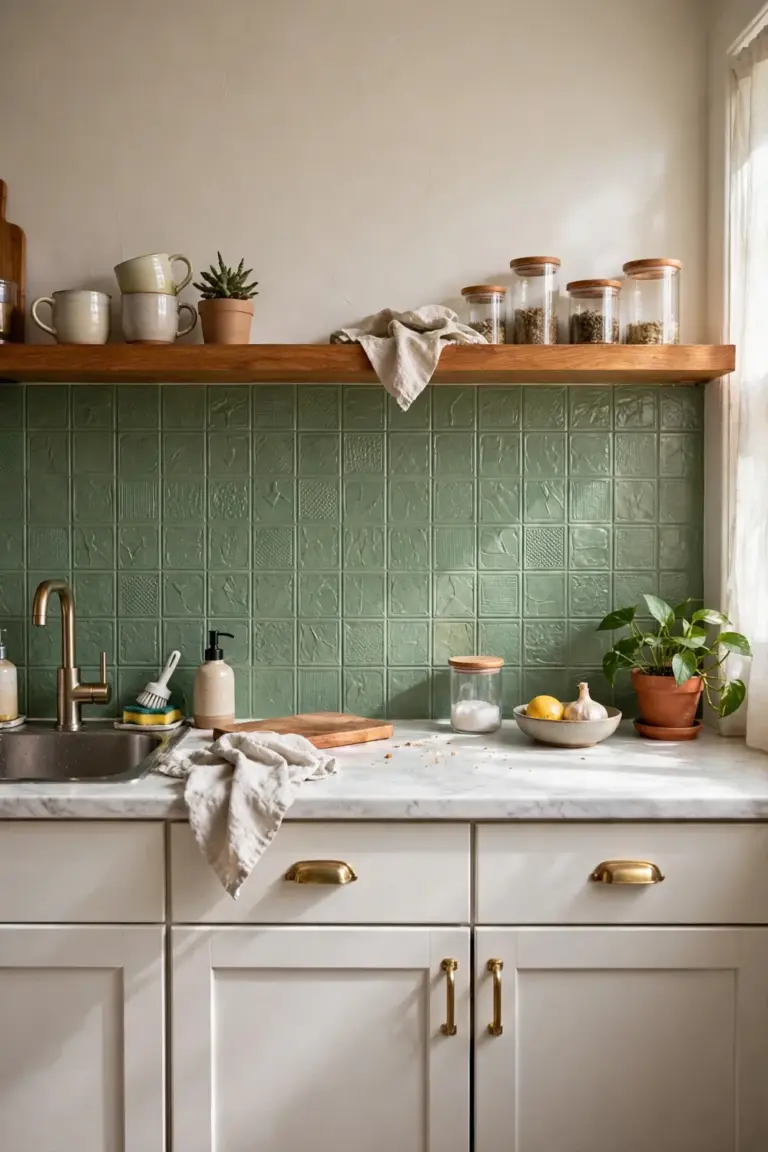
Brass is the first cue. Warm metal against painted wood or white walls reads as jewellery for the room. Our research keeps finding the same combination at the top of the saves: dark green plus brass plus warm wood. A dresser in Deep Sea Blue milk paint passed 2,900 saves with one straight-on shot, and nightstands in Dark Forest green with brass hardware passed 743 saves.
One saturated colour is the second cue. A room with one deep colour, sage, forest green, or midnight blue, against cream and warm wood, reads as chosen. A room with five pale colours reads as undecided. The colour can be paint, velvet, or curtains. It only has to appear more than once.
Symmetry is the third cue. Two matching lamps, two matching frames, two matching pillows. Pairs tell the eye that someone arranged this on purpose. A pair of cheap pieces reads as more expensive than one costly piece alone.
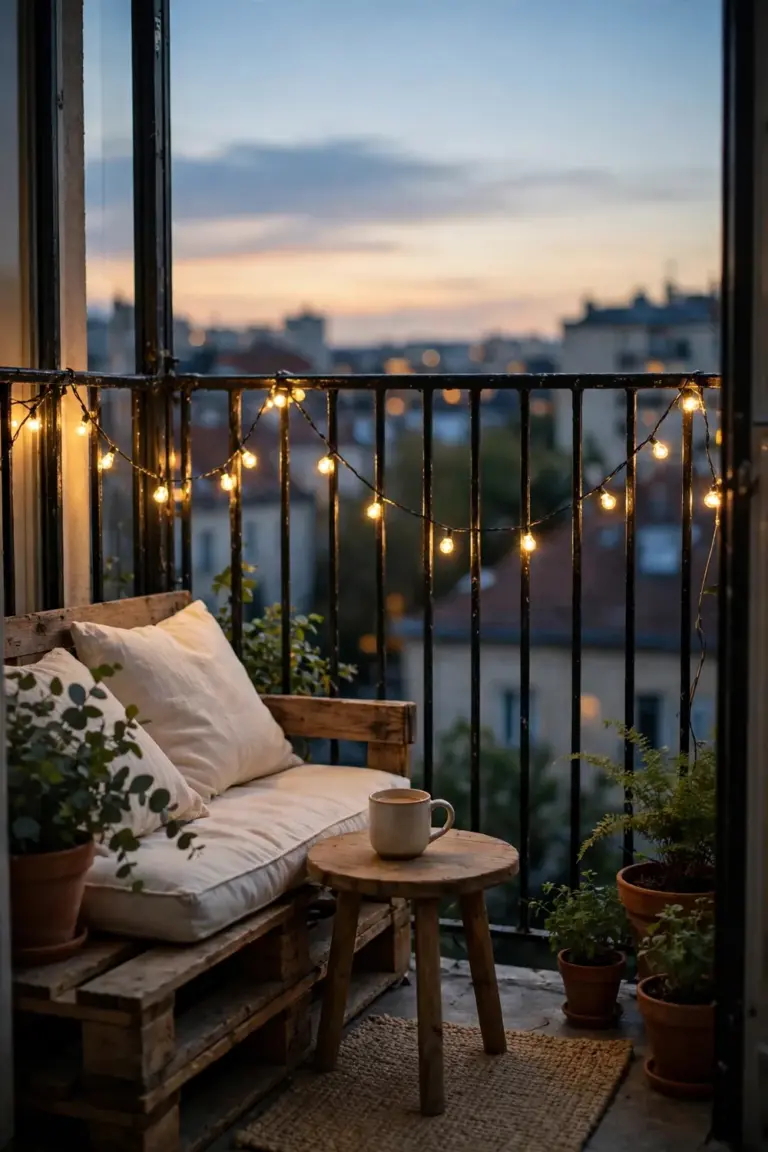
Warm light is the fourth cue. A lit lamp, a warm LED strip behind a shelf, or strong window sunlight turns flat furniture into a room. Cool white overhead light does the opposite: it shows every flaw and flattens every colour.
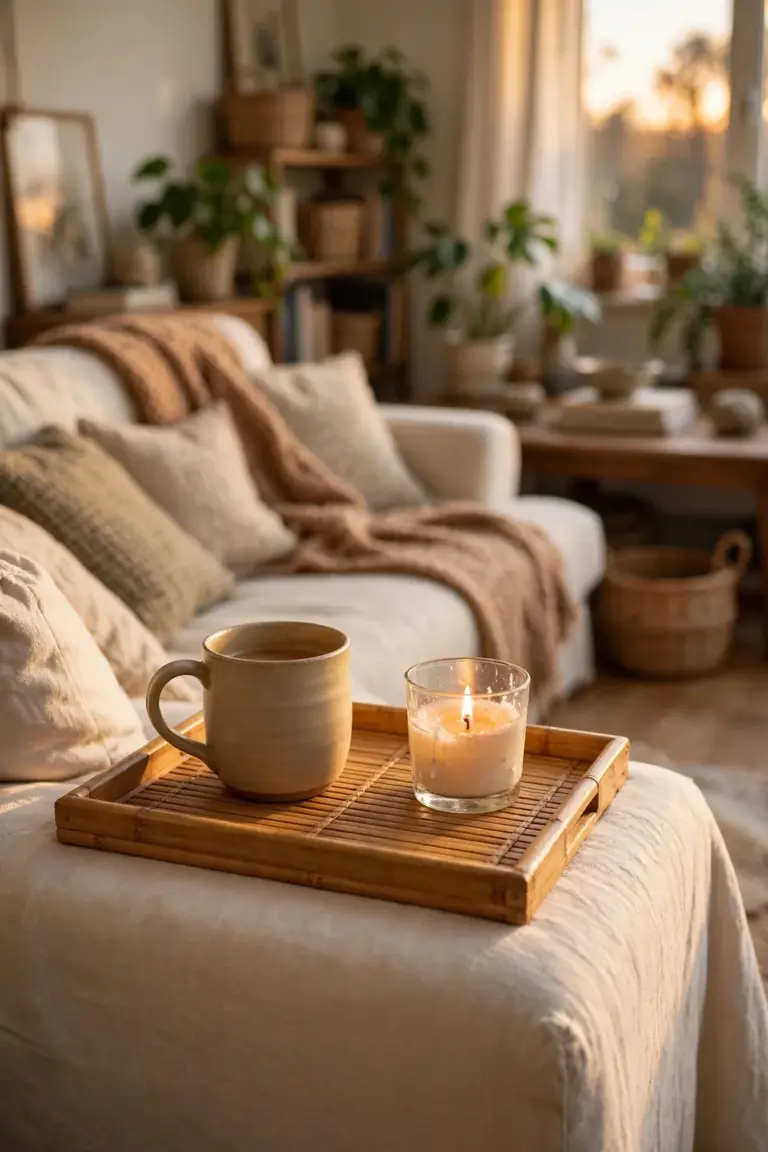
Layering is the fifth cue. A bed with four visible layers, a sofa with cushions plus a throw plus a rug, a shelf with books plus a plant plus a candle. Flat, single-layer styling reads as unfinished, no matter what the pieces cost.
Which swaps are worth doing?
Ten swaps, cheapest first. Each one copies at least one of the five cues, and each one has a photo so you can see the cue working before you spend anything.
1. A marble-look tray from contact paper, $8
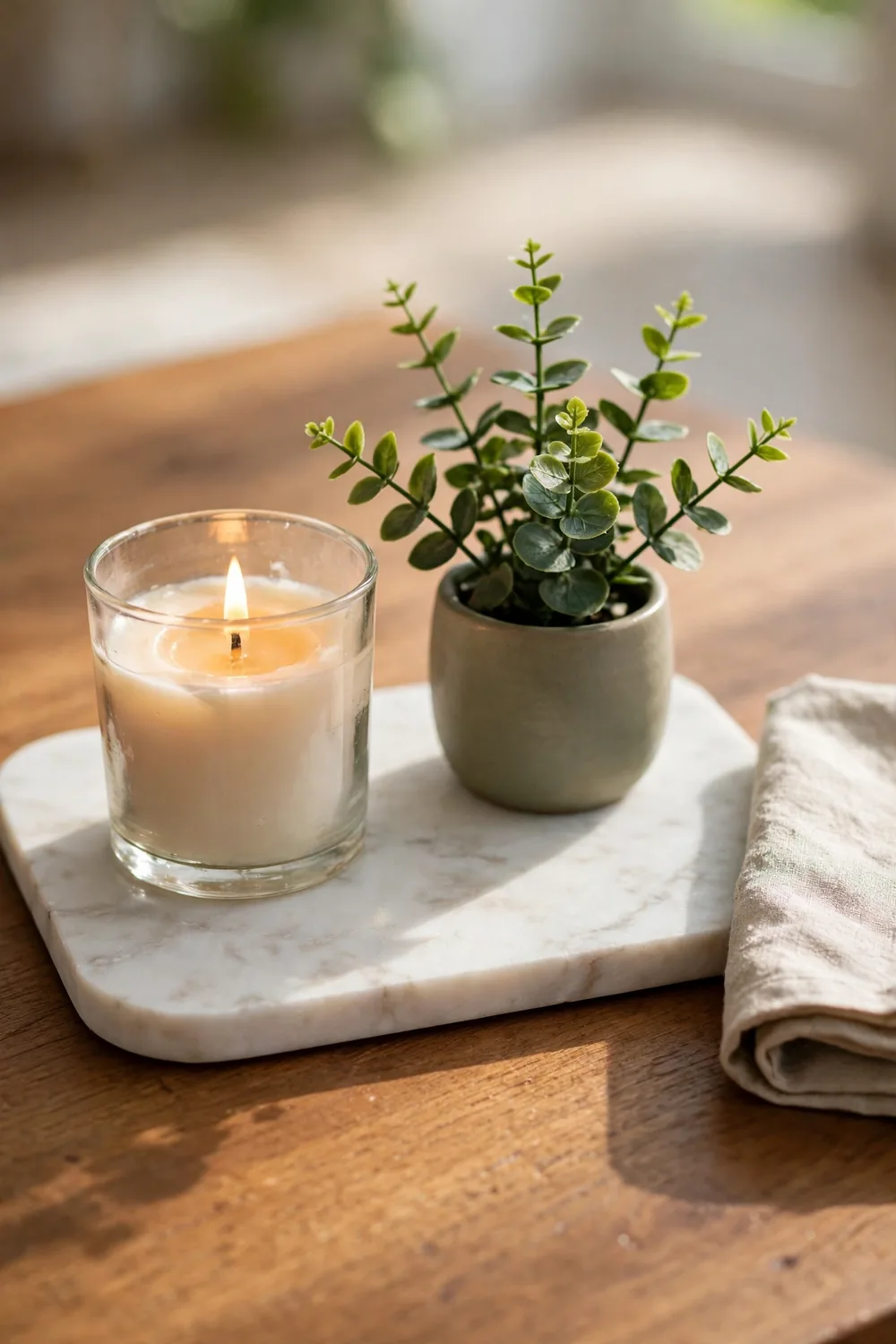
A tray is the fastest way to make a coffee table look styled, and marble is the fastest way to make a tray look expensive. A roll of Con-Tact marble shelf liner costs $7.99 at Target for an 18 inch by 16 foot roll, and one roll covers a dozen trays.
Cut a piece to fit a plain wood tray, a thrift store tray, or a piece of plywood cut to size. Smooth it from the centre out with a credit card so no air stays under it. The white marble pattern with grey veining does the work from across the room. Put a candle and a small plant on it and the coffee table is done. Do this one first if you only have ten minutes.
2. One soft throw, layered on purpose, about $12
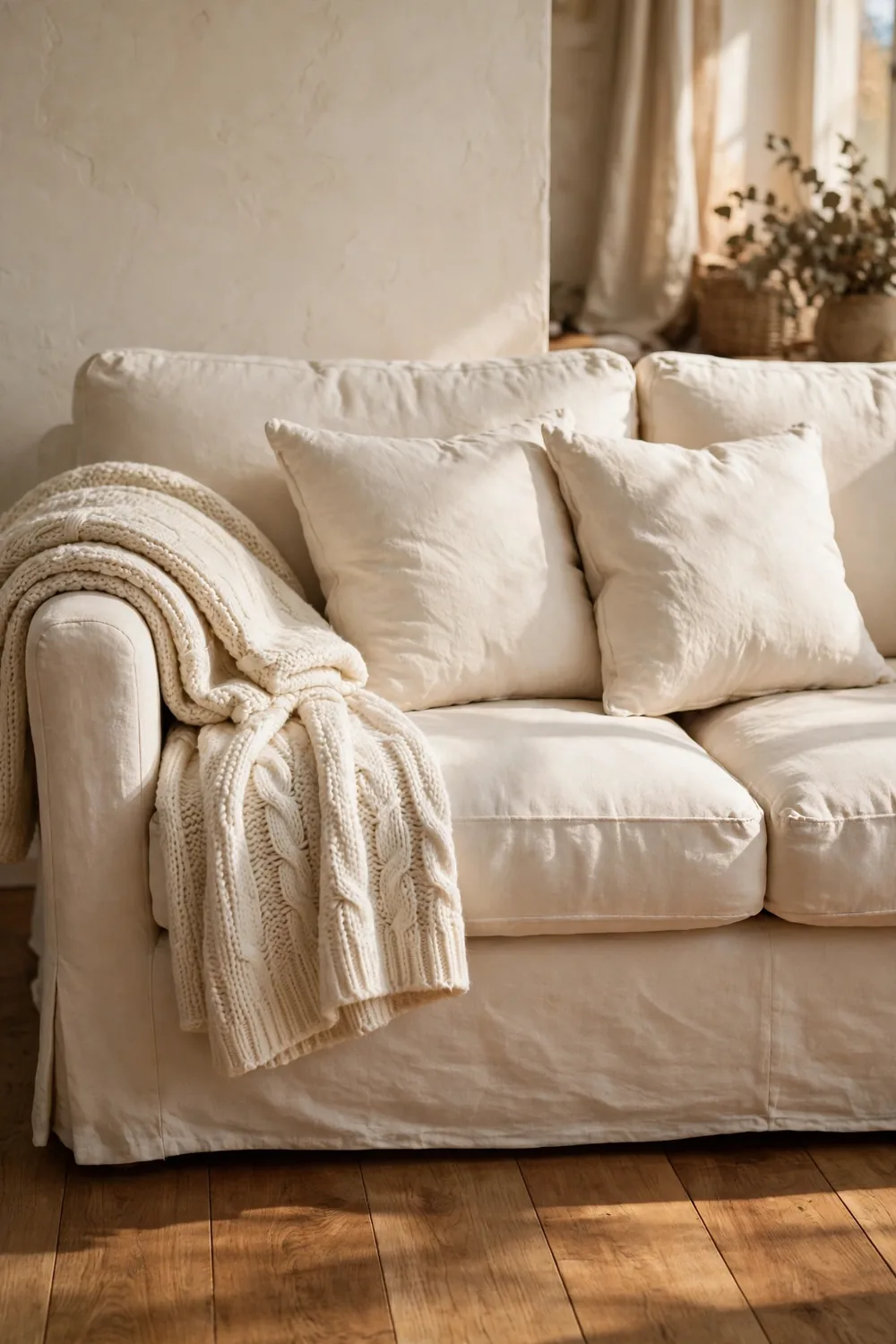
A throw is not a blanket you happen to own. It is the top layer of the sofa or the bed, and the layer is what reads as luxe. Fold it in thirds and drape it over one arm of the sofa, or fold it across the foot of the bed, with the edge straight. A throw tossed in a ball reads as laundry. A throw folded with one straight edge reads as a hotel.
Pick a texture that contrasts with the sofa. One throw costs about $10 to $15. The mistake is buying three throws in three colours. One throw, one colour, one straight edge.
3. A round mirror that doubles the light, $5 to $15
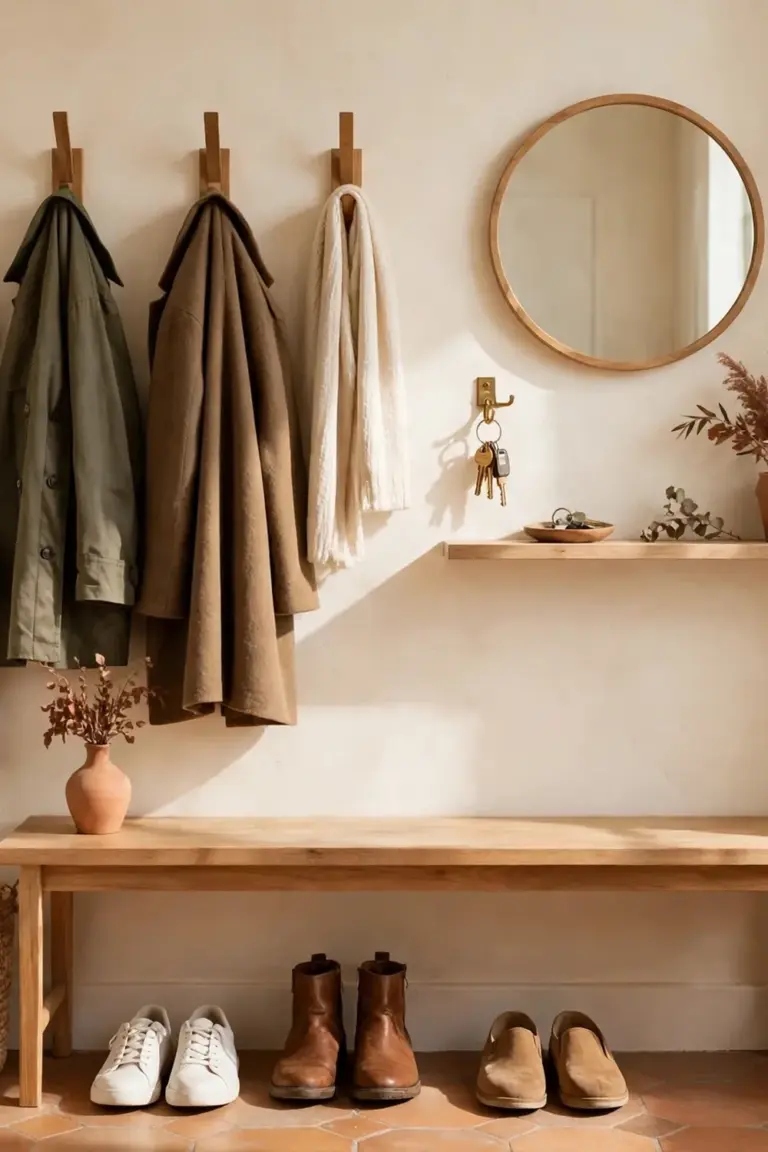
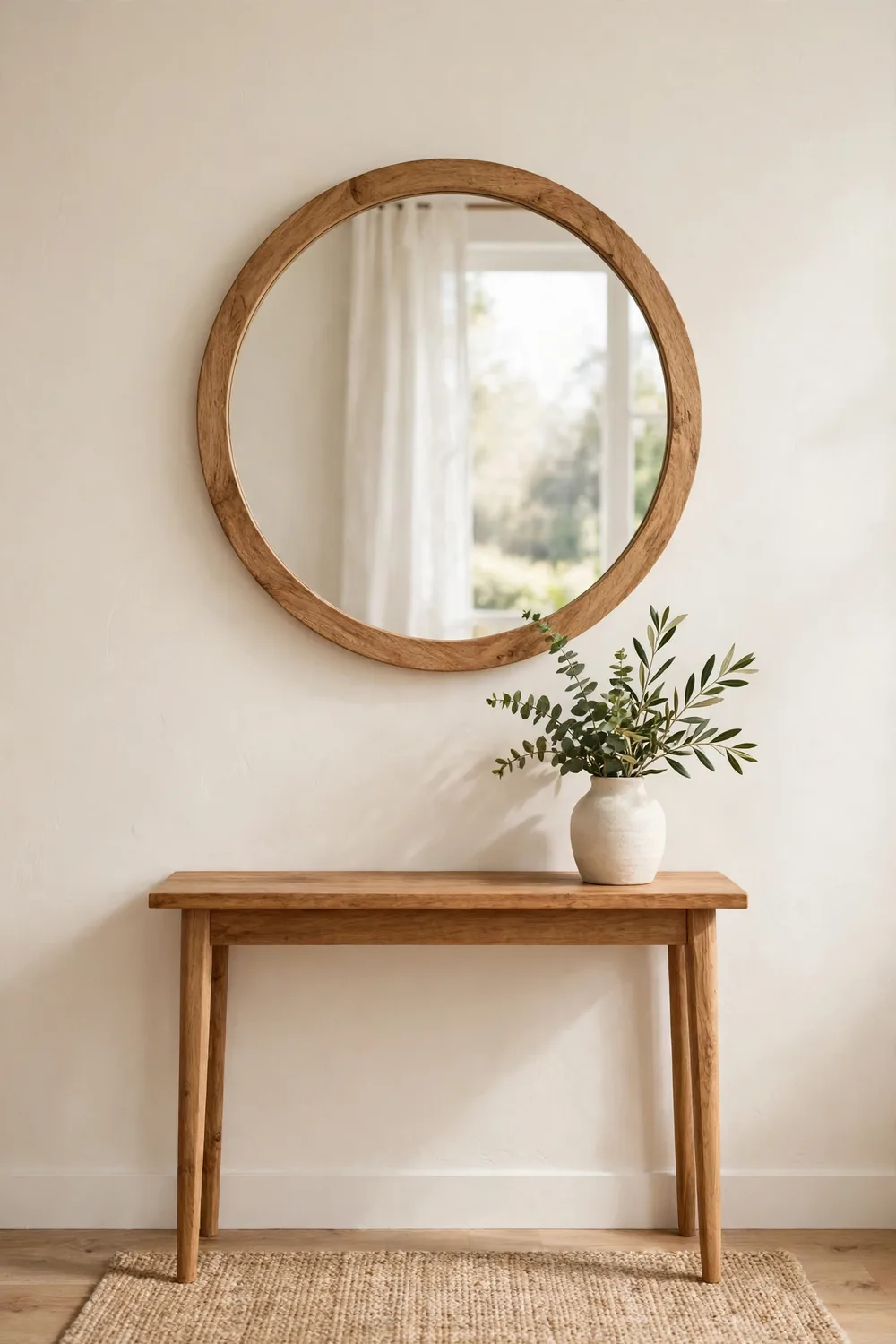
A mirror is the only swap that makes a room bigger without moving a wall. It bounces daylight across the room and gives a small space a second window. A round wood-framed mirror above a small console is the classic move.
Buy it secondhand: a framed mirror costs $5 to $15 at the thrift store, the same range our thrift guide found for mirrors that work. Check the silvering first, because black spots around the edges mean the mirror is dying and the spots only spread. Hang it across from a window, because a mirror only shows what it faces. A mirror across from a window shows daylight, and daylight is the most expensive-looking thing in any room.
4. A warm LED strip behind the shelf, $15
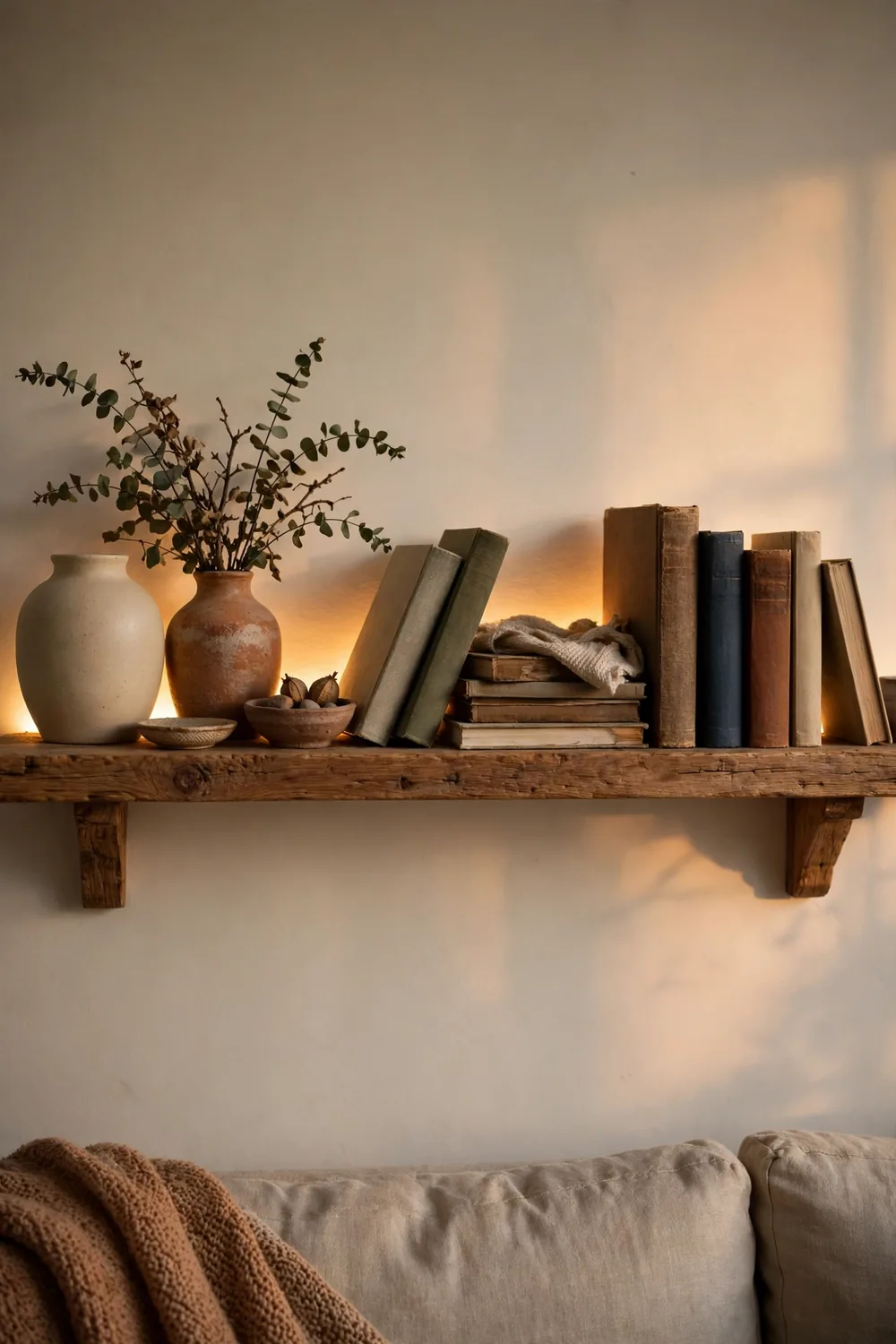
Warm light is a prop, not an afterthought, and an LED strip is the cheapest way to buy it. A 16.4 foot Govee RGBIC strip costs $14.99 on Amazon, and one strip runs behind a shelf, under a cabinet, or behind the television.
Set it to warm white, around 2700K, and leave it there. Skip the coloured modes. Warm white behind a shelf makes the shelf glow, and the glow makes the books and vases on it look curated. Stick the strip where the light source itself stays hidden: under the shelf lip, behind the headboard, along the back edge of the console. You should see the glow, never the strip.
5. Three matching frames, one colour, about $15
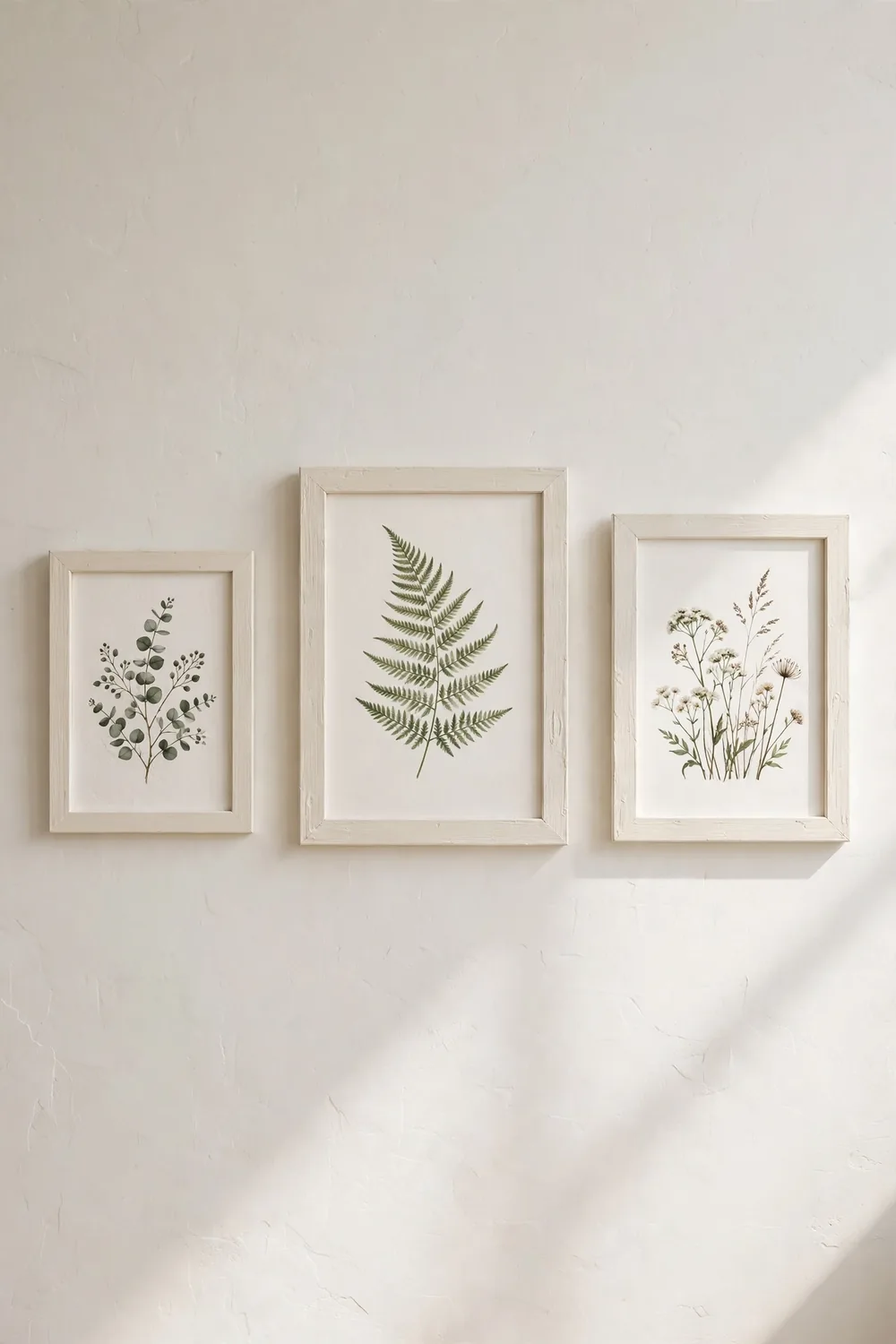
A gallery wall fails when the frames do not match. Three frames in three colours read as a garage sale. Three frames in one colour read as a gallery, even if the frames cost almost nothing.
Buy three wood frames at the thrift store, about $2 to $5 each, and paint them all one colour: cream, black, or sage. Hang them with the same spacing between them, about 2 to 3 inches, and keep the centre of the group at eye level, about 57 inches from the floor. The art inside matters less than the matching frames: a free printable, a calendar page, or a photo you already own all work. This swap is the proof that symmetry beats spending: three matching $5 frames look more expensive than one $50 frame alone on a wall.
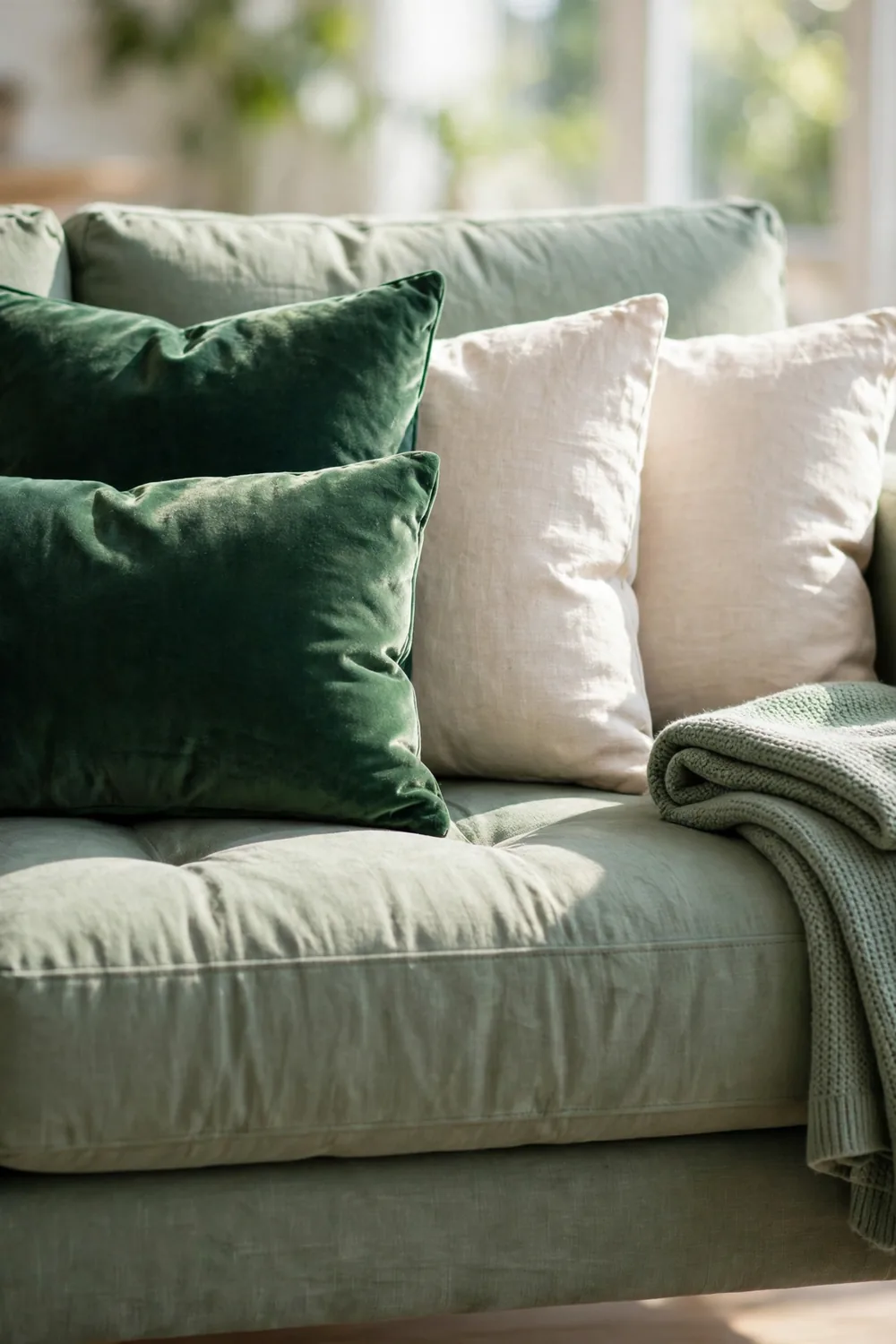
6. Two velvet pillow covers, $20
Velvet is the fabric that reads as luxe at a glance, because the pile catches the light and the colour looks deeper than flat cotton. Two velvet covers on a plain sofa change the whole seat, and they cost less than one designer pillow.
IKEA SANELA cushion covers in cotton velvet cost $9.99 each for the 16 by 23 inch size, so two covers cost $20. The inner cushion is sold separately, so reuse inserts you already own. Pick one deep colour, forest green, midnight blue, or dark rust, and keep the other pillows plain cream or linen. Two velvet covers plus two plain ones is the formula.
7. One piece painted a deep colour, $30
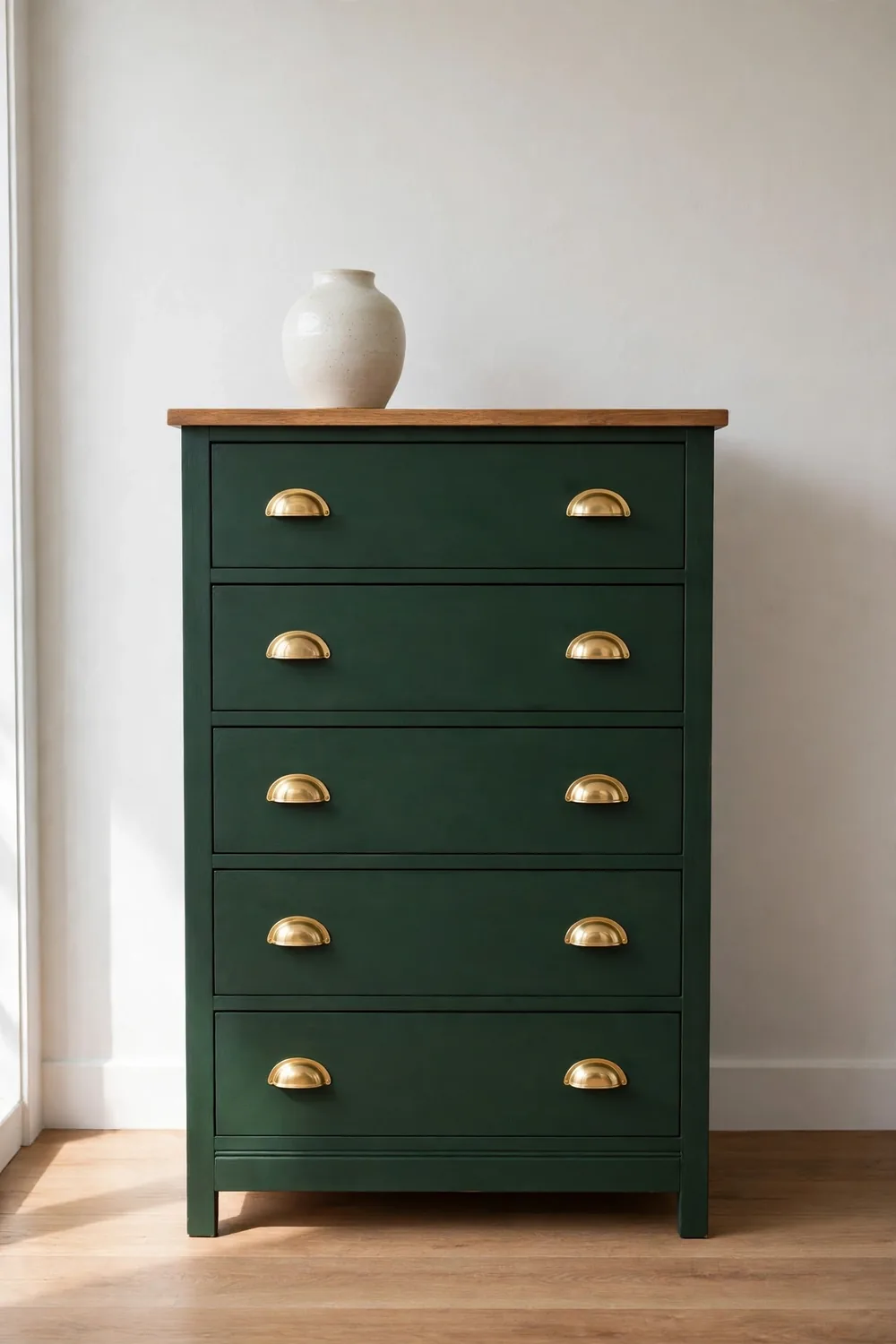
One bold paint colour is the single biggest luxe change in this whole list, and it costs one jar of paint. A dresser in Deep Sea Blue, a nightstand pair in Dark Forest green, a sideboard in sage Bellwood: the colour is what people save.
One 500 ml jar of Fusion Mineral Paint costs $29.99 and covers about 75 square feet, enough for a dresser and a nightstand together. Two thin coats, not one thick one: thin enough that you can see the wood grain through the first coat, and the second coat does the covering. If you want the full process, our guide to flip furniture from Facebook Marketplace walks through it step by step, from finding a solid wood piece for $15 to $60 to swapping the hardware. Add the brass pulls from swap 8 and the two swaps together read as a $300 piece.
8. Brass pulls on the piece you already own, $38
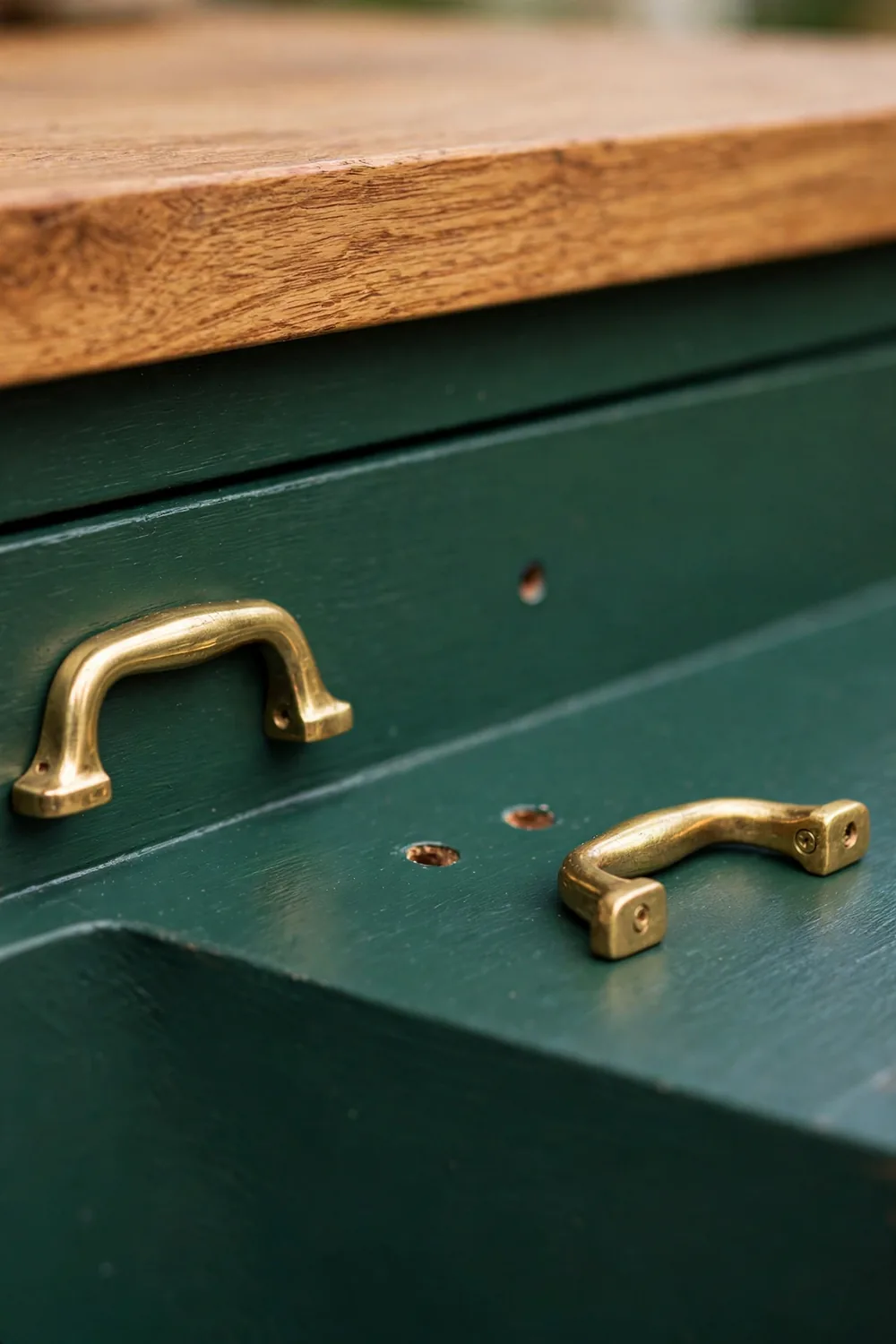
New hardware is the smallest spend with the biggest visual return. A 10-pack of Asidrama brushed brass pulls costs $37.99 on Amazon, about $3.80 each, with a standard 3 inch hole spacing. Designer pulls run $10 to $25 each, so the 10-pack saves you the price of the whole dresser.
Measure the screw-hole spacing before you order: most dresser pulls are 3 or 3.75 inches apart. Fill old holes with wood filler, sand smooth, touch up the paint, and screw the new pulls in from inside the drawer, snug but not forced: overtightening cracks the paint around the hole. Brass works on sage, black, navy, and white alike, which is why it is the first hardware swap in almost every high-save pin in our research.
9. Curtains hung high and wide, about $35
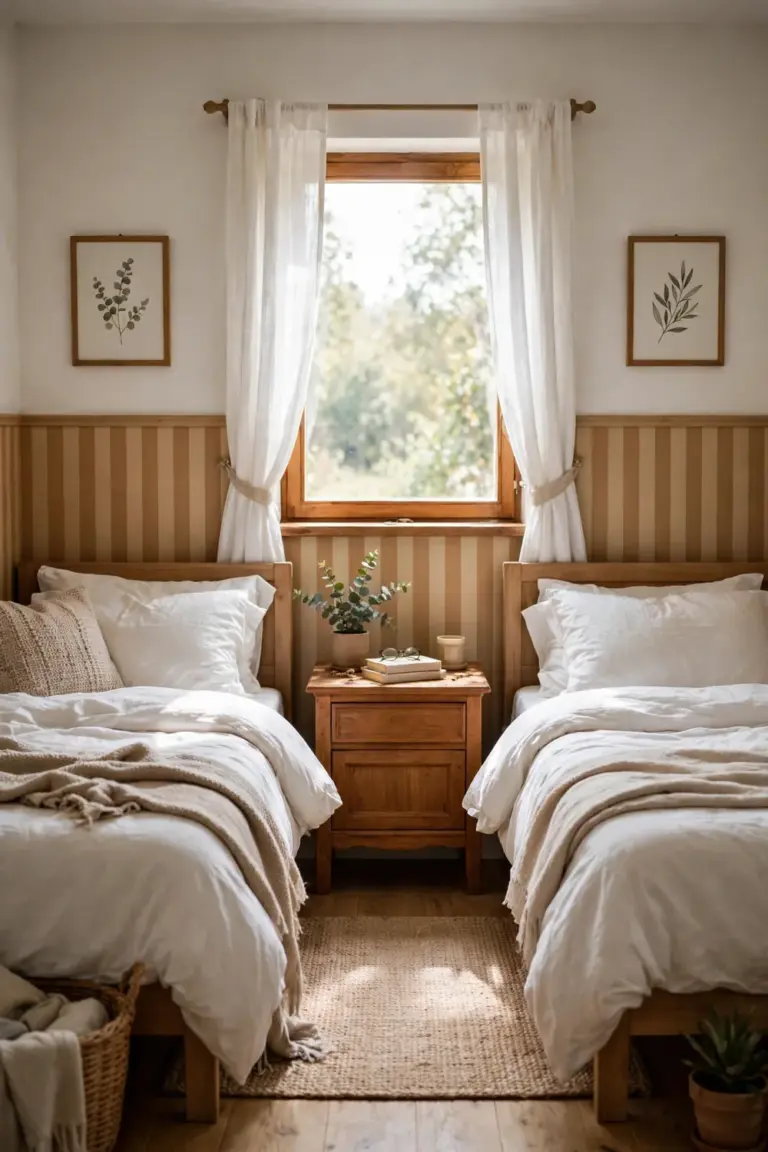
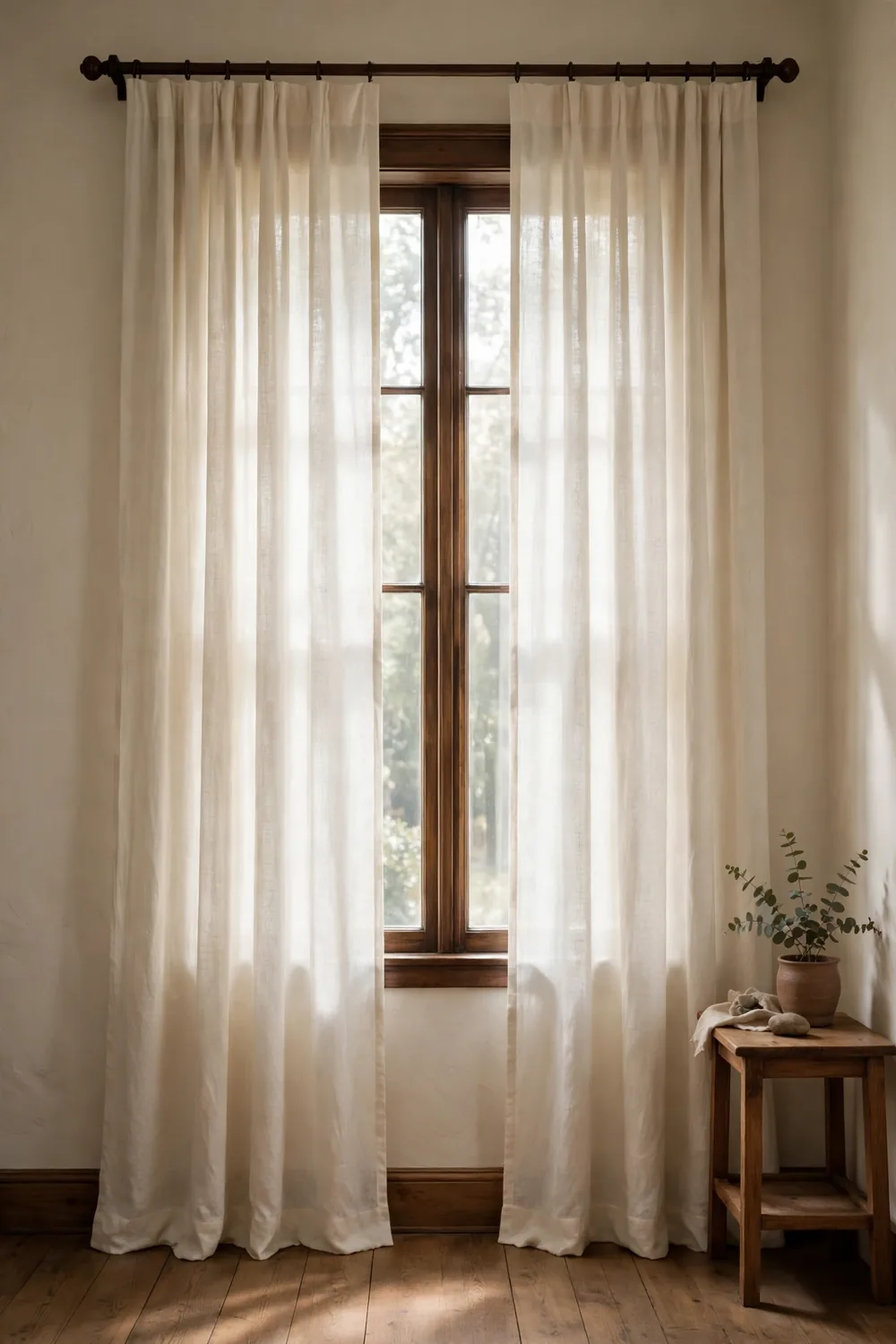
Curtains are the swap most people get wrong. Hang the rod 4 to 6 inches above the window frame, and extend it 6 to 12 inches past the frame on each side. Hang the curtains so they just kiss the floor. A window dressed this way reads taller and wider than it is, and the room reads more expensive for it.
Buy one pair of solid linen-look curtains, about $30 to $40, in cream, white, or a soft sage that repeats the colour from swap 7. Solid colours only: a patterned curtain will fight with your room, and a solid one will not. The most common mistake is a rod hung right at the frame with curtains that stop at the sill.
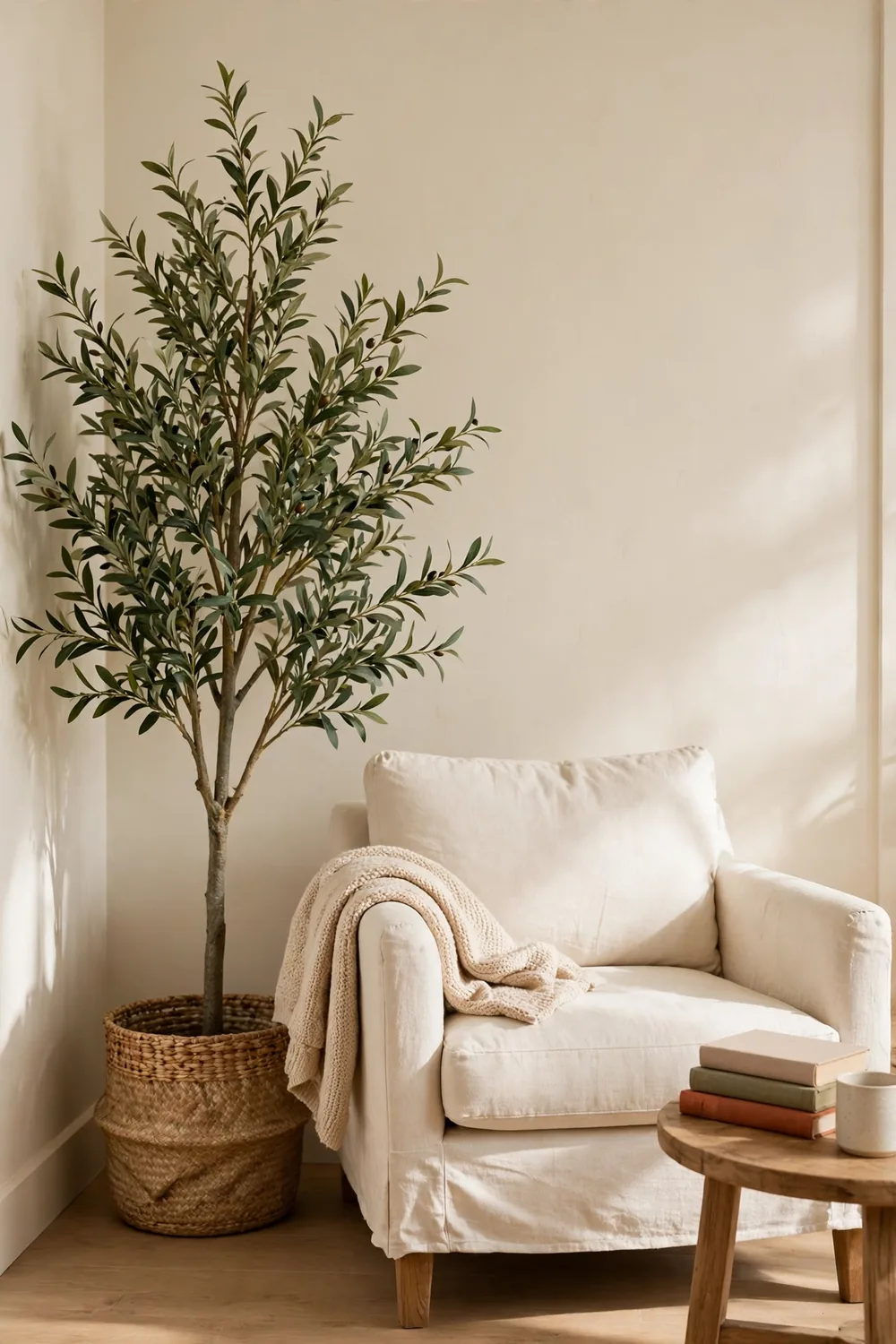
10. One faux olive tree in the empty corner, $50
Every room has one empty corner. A tall faux olive tree fills it with one object, no arrangement needed. The IKEA FEJKA artificial potted olive tree costs $49.99, stands about 7 and a half feet tall in its pot, and needs no light, no water, and no pruning.
Put it in a woven basket or a plain ceramic pot, in the corner beside the sofa or the reading chair. One tree is the swap. Two trees is a forest. The olive tree is the one swap I would buy first if the room already has the other nine, because it is the only one that fixes height: everything else sits below waist level, and the tree draws the eye up.
What does the whole room cost?
All ten swaps together cost about $230. Any three cost under $60, and any three change the room enough to see.
| Swap | Cost |
|---|---|
| Marble-look tray from contact paper | $8 |
| Soft throw, layered | About $12 |
| Round mirror, thrift | $5 to $15 |
| Warm LED strip, 16.4 ft | $15 |
| Three matching frames | About $15 |
| Two velvet pillow covers | $20 |
| One piece painted a deep colour | $30 |
| Linen-look curtains, one pair | About $35 |
| 10-pack brass pulls | $38 |
| Faux olive tree | $50 |
| Total, all 10 swaps | About $228 to $238 |
The point is not to do all ten. The point is that luxe is a set of cues, and three cues are enough for the eye to read the room as expensive.
The one mistake that kills the luxe look
Mixing metals. Brass pulls plus a chrome lamp plus a black mirror frame plus a gold tray reads as four different rooms, and the eye cannot settle. Pick one metal and repeat it three times: brass pulls, a brass lamp base, a brass frame. If the lamp you own is chrome, paint the pulls black instead and repeat black three times. The rule is one metal, three places. The metal rule does not forgive, because metal is the cue the eye checks first. These swaps slot straight into a room makeover on a budget, where one anchor piece and one colour do most of the work.
Luxe is not a price. It is brass, one deep colour, things in pairs, warm light, and layers, and all five cues cost less than one designer lamp.
FAQ
Can a room really look expensive on a $230 budget? Yes, because the eye reads cues, not receipts. Brass, one saturated colour, symmetry, warm light, and layers are the cues, and each one costs $8 to $50. Three cues are enough for the room to read as expensive. Most rooms only need three or four.
Which swap should I do first? The marble-look tray, because it costs $8 and takes ten minutes, and it changes the coffee table, which is the first thing anyone looks at when they sit down. The brass pulls are the second best first swap, because hardware changes the whole front of a piece.
Do I have to buy everything from IKEA? No. The prices here use IKEA and Amazon because the prices are public and checkable, but the thrift store covers the mirror, the frames, and often the tray for less.
Will velvet pillows look cheap if the sofa is cheap? No, velvet covers the sofa rather than matching it. Two deep-coloured velvet covers on a plain sofa read as a styling choice. Keep the other pillows plain so the velvet stays the star.
Is a faux olive tree better than a real plant? For a dark corner, yes. A real olive tree needs strong direct light and dies in a dark corner, and a dead plant is the opposite of luxe. The faux tree costs $49.99 once and looks the same in January as in June.
How do I keep the room from looking like a showroom? Leave one thing imperfect. A stack of books you actually read, a mug on the tray, a throw that is folded but not ironed. A room with no sign of life reads as a store display.